


Topical Dosage Forms — an Introduction
Topical medicines deliver drug to the skin, eye, ear, or mucosa to act locally where the problem is, or in some cases to pass through the skin for systemic effect. Creams, ointments, gels, lotions, foams, sprays, and medicated shampoos are tailored to different body sites and user needs, balancing efficacy with feel, spreadability, and cosmetic acceptance. Good topicals are not just “drug in a base.” They depend on microstructure (droplet or crystal networks), rheology that holds the dose on the site without running, and a preservative strategy that stays effective across real use. Success starts with understanding how the API partitions between phases in the vehicle and into the skin, then designing a simple, robust system that stays stable, doses uniformly, and feels right to patients.
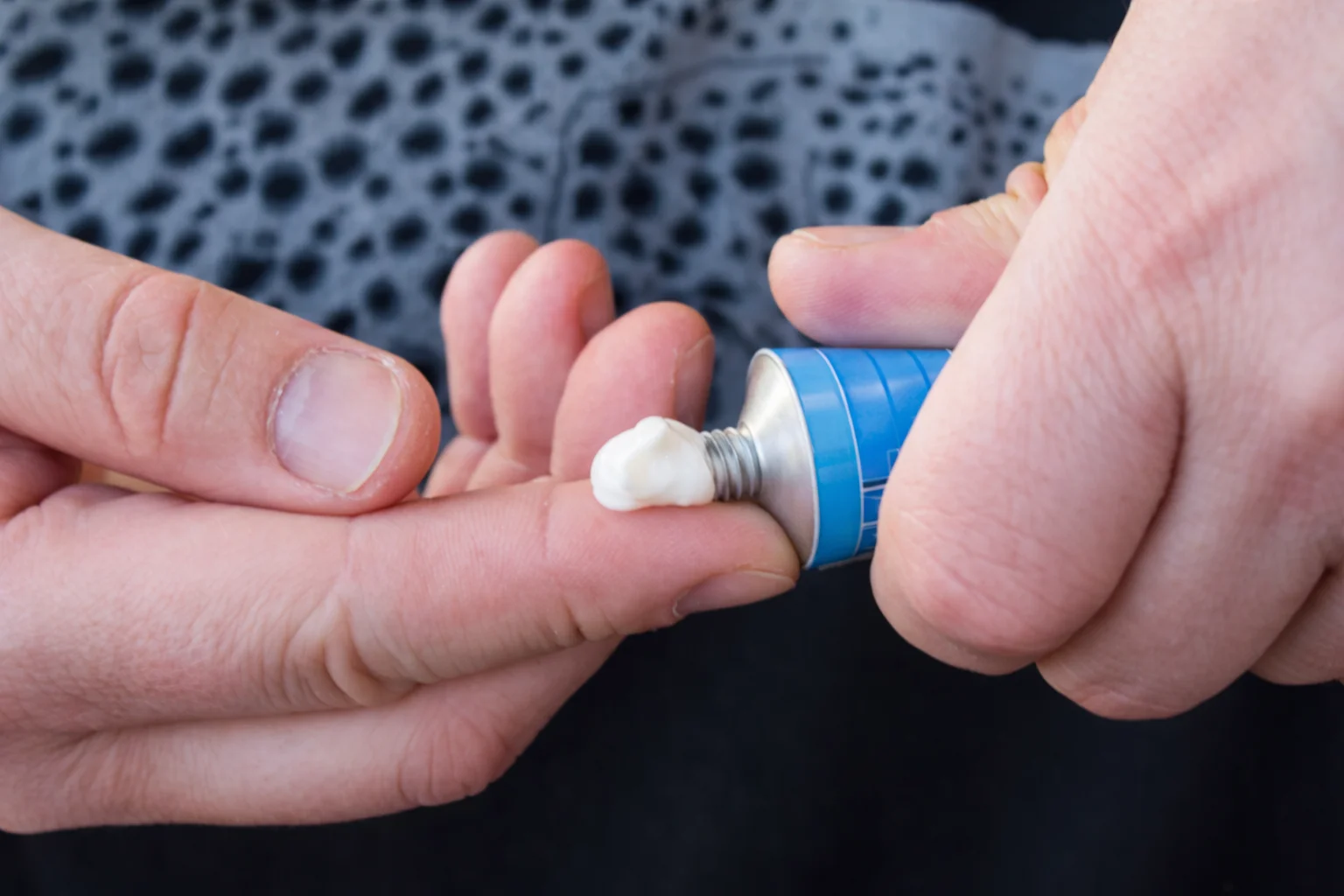
Why choose topicals? First, targeted therapy. Local delivery can achieve high concentrations at the site of action with lower systemic exposure. Second, patient experience. Non-greasy, fast-absorbing textures and clean packaging drive adherence in chronic dermatoses. Third, formulation flexibility. Vehicles can be tuned for oily or dry skin, hairy areas, sensitive sites, and climate. Yet topicals bring their own challenges: controlling microstructure across scale-up, keeping dose uniform in every squeeze or pump, preserving the product without irritation, and ensuring predictable permeation through variable human skin.
Connect with our scientific experts for your drug discovery, development and manufacturing needs
Dosage Forms — What They Are and Why They Matter
A dosage form is the physical form that carries drug and excipients to the body so the right dose reaches the right place at the right time with acceptable safety, stability, and user experience. For topicals, this means vehicles that spread easily, hold the drug where it should act, release it at the intended rate, and remain stable in the tube, bottle, pump, pad, or aerosol. Choosing the right topical form shapes not only clinical performance and adherence but also manufacturing complexity, quality testing, and regulatory expectations throughout development and commercialization.
Topicals — Definition and Scope
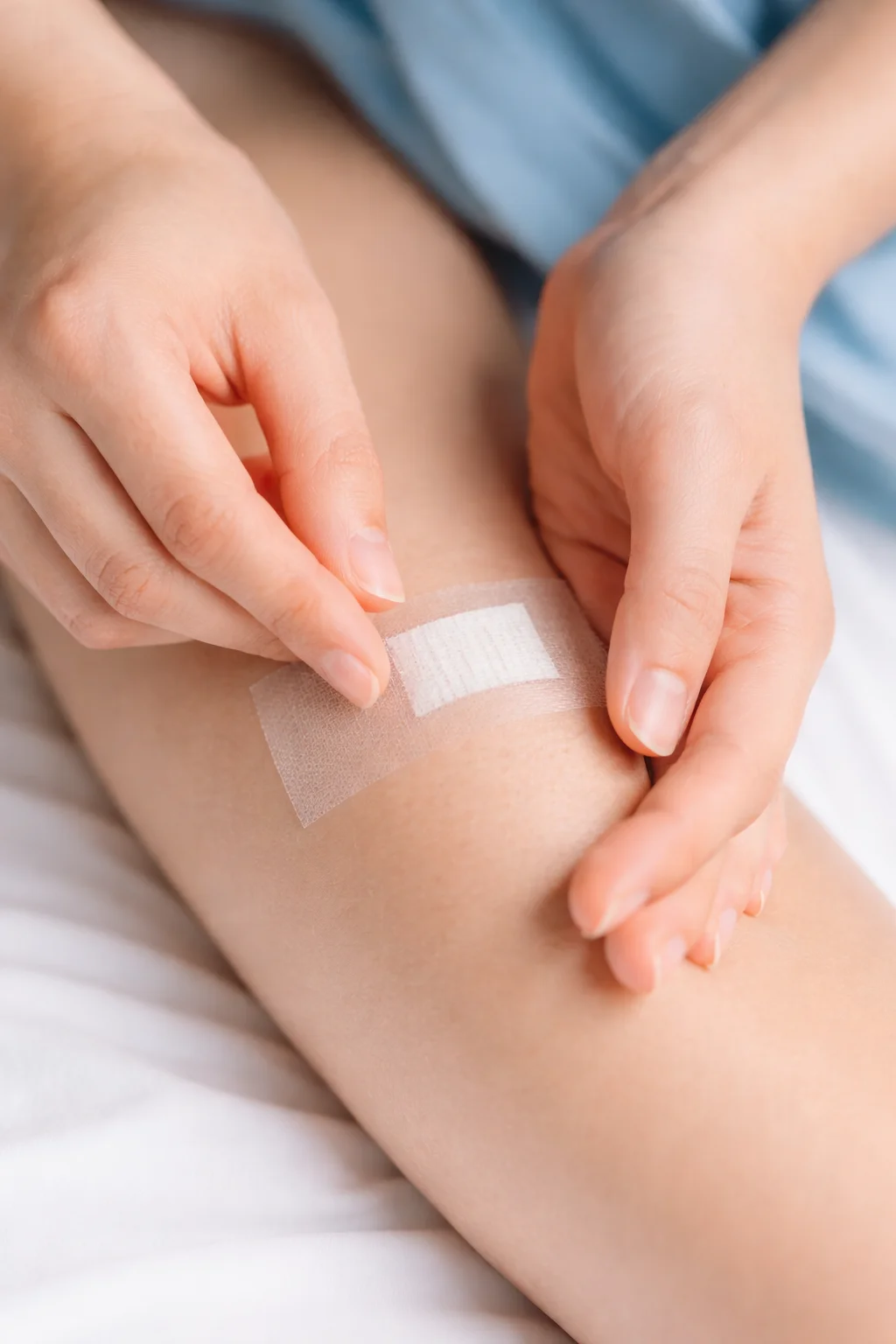
Topical dosage forms are non-sterile or sterile products applied to skin or mucosal surfaces for local action (dermal, ophthalmic, otic, nasal, rectal, vaginal, buccal) and, for a subset, for systemic delivery through the skin (transdermal). Vehicles include emulsions (creams, lotions), oleaginous systems (ointments), hydrogels, organogels, micro/nanoemulsions, foams, sprays, solutions, pastes, powders, sticks, medicated wipes, and shampoos. Most dermal products are non-sterile but must meet microbial quality and preservative effectiveness requirements; ophthalmic products are sterile with tight particulate and container-closure controls. A key distinction: topical dermal products aim for local skin action, whereas transdermal patches and certain gels are designed to deliver drug systemically.
How topical forms are classified
- By physical form: emulsions (creams, lotions), ointments, gels (hydrogels/organogels), solutions/paints/liniments, foams, sprays, pastes, powders, sticks, shampoos, wipes
- By continuous phase: aqueous, oleaginous, hydro-alcoholic, silicone-based, amphiphilic
- By application site and use: dermal, ophthalmic, otic, nasal, buccal, rectal, vaginal, scalp/hairy skin
- By drug target: local topical vs transdermal/systemic
- By presentation: tubes (laminate/aluminum), airless pumps, jars, droppers, sprays/aerosols, foaming pumps, single-use sachets or pads
Topical dosage forms
Creams (o/w and w/o emulsions)
Creams are semi-solid emulsions where droplets of one liquid are dispersed in another and stabilised by surfactants and structuring agents. Oil-in-water creams feel lighter and are preferred for day use, face, and humid climates; water-in-oil creams are richer and suit dry, scaly lesions and cold climates. Development focuses on building a stable droplet-size distribution and a rheology profile that spreads easily but resists phase separation and syneresis. API location (oil vs water phase), solubilisation state, and partition into stratum corneum govern delivery. Risks include viscosity drift on storage, creaming or breaking after freeze–thaw, and preservative partitioning that weakens microbial protection.
Lotions
Lotions are low- to medium-viscosity emulsions designed for larger areas and hairy or hard-to-reach sites. They must wet hair shafts, spread thinly, and dry without residue. Shear-thinning behaviour is tuned so they pump well and do not run. Phase stability under temperature cycling and long-term physical stability are critical; sedimentation of suspended actives and nozzle clogging must be controlled.
Ointments
Ointments are oleaginous or absorption bases (petrolatum, microcrystalline waxes, lanolin derivatives, silicones) that form occlusive films, enhance hydration, and protect barrier function. They suit very dry, fissured skin and APIs that prefer non-aqueous environments. Because they have few or no water phases, chemical stability can be strong and preservatives may be unnecessary, but oxidative rancidity and polymorphic changes in waxes can occur. The main trade-off is greasiness and cosmetic acceptability.
Gels (hydrogels and organogels)
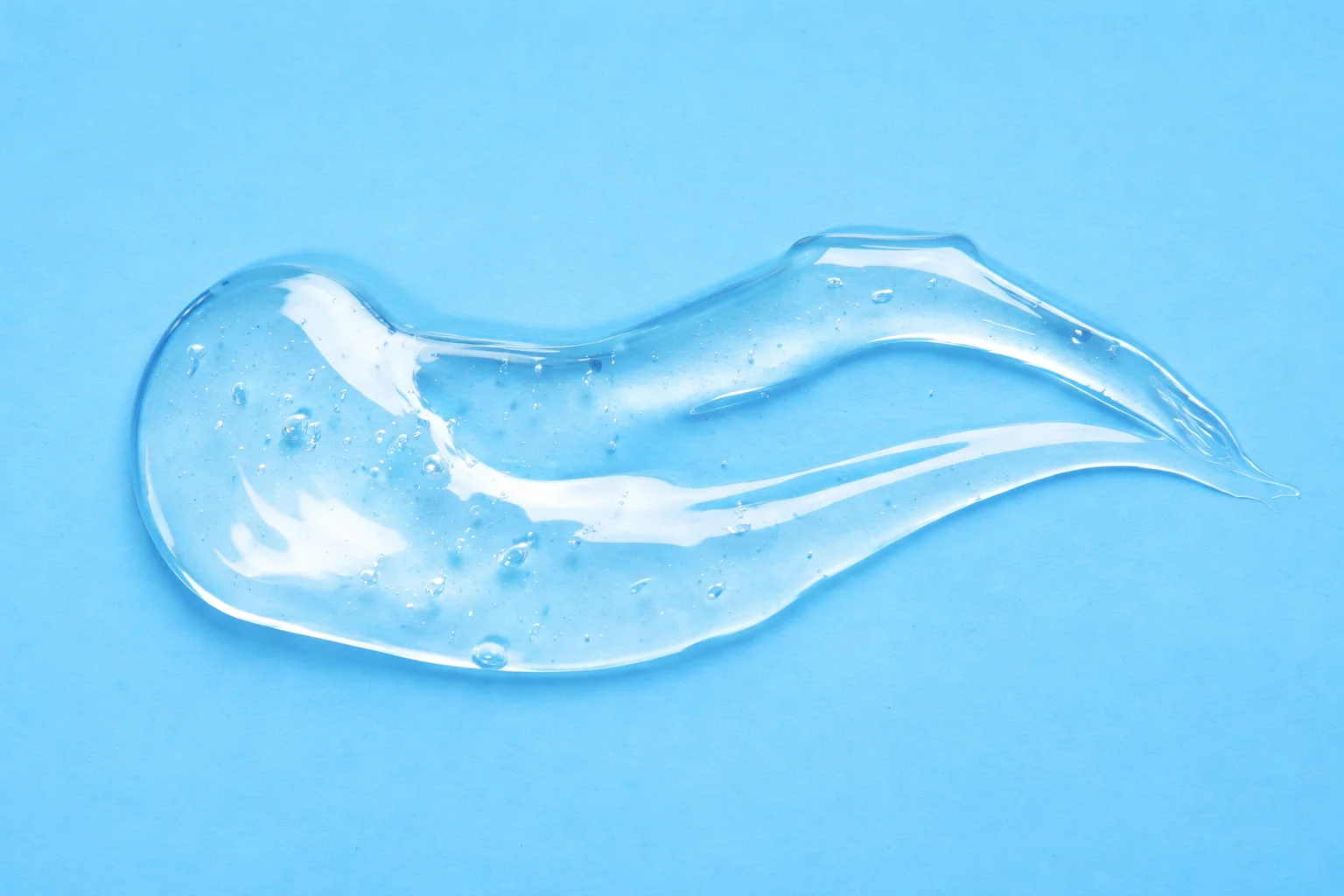
Gels are semi-solids where a polymeric or low-molecular-weight network traps solvent to create a clear or translucent system with pleasant, non-greasy feel. Hydrogels use water and are ideal for inflamed or oozing lesions; organogels can solubilise lipophilic actives. Development balances polymer grade, crosslinking, pH, and ionic strength to achieve target yield stress and thixotropy. Drug can be truly dissolved or present as fine particles; clarity, alcohol content (for hydro-alcoholic gels), and skin tolerance guide excipient choices. Stability risks include loss of viscosity with temperature or pH drift and drying at the orifice.
Solutions, paints, and liniments
These are clear liquid preparations in aqueous, alcohol, or hydro-alcoholic vehicles that dry quickly and can carry counterirritants or antiseptics. They are useful when accurate, thin-film dosing is needed or for scalp applications. Solvent choice governs solubility and drying time; volatility and flammability, skin sting, and preservative strategy must be managed. Evaporation concentrating the API at the tip can cause crusting and content non-uniformity if the cap is left open.
Foams
Foams deliver drug in a gas-expanded matrix that collapses to a thin film, useful for hair-bearing areas and sensitive skin because they spread with minimal rubbing. They may be aerosol (with propellant) or mechanical (pump). Formulation work covers surfactant systems for foam quality, solvent balance for burst and feel, and propellant compatibility. Stability considerations include pressure, valve performance, and temperature sensitivity.
Sprays and aerosols
Sprays create fine droplets for even coverage without touch, valued for pain-sensitive or contaminated skin and for scalp. Metered-dose valves can deliver controlled amounts per actuation. Development must optimise droplet size, spray pattern, plume geometry, and solvent system to avoid cold shock and dripping. E&L from valves and long-term valve performance are key quality elements.
Pastes
Pastes contain high levels of insoluble solids (e.g., zinc oxide, starches) in ointment or cream bases to form protective, absorbent films for diaper rash or weeping dermatitis. Their heavy body resists removal by moisture and friction. Uniform dispersion, anti-caking, and comfortable spread are the development goals.
Powders
Dermal powders absorb moisture and reduce friction in intertriginous areas, sometimes carrying antifungals or antibiotics. Control of particle size distribution, flow, and microbial quality is essential, and talc or starch choices carry safety and regulatory considerations.
Sticks and balms
Wax-based semi-solids in stick form provide precise, mess-free application for cold sore antivirals, sunscreens, and analgesics. Melting profile, glide, and stick integrity across temperatures drive excipient selection; content uniformity throughout the stick length must be demonstrated.
Medicated shampoos and body washes
Surfactant-based liquids carry actives like ketoconazole or salicylic acid for scalp or body conditions. They must lather acceptably, rinse cleanly, and deliver effective contact time. Viscosity–salt curves, pH, and preservative strategy are tuned to maintain clarity and stability.
Ophthalmic and otic preparations (topical to eye/ear)
Ophthalmics include sterile solutions, suspensions, and gels with strict particulate, pH/osmolality, and container–closure requirements; viscosity enhancers balance residence time with vision blur. Otics are typically non-sterile but must avoid ototoxic excipients and maintain drop accuracy.
Transdermal patches and gels (for systemic delivery)
Patches (reservoir or matrix) and certain gels are engineered to deliver drug at near-constant rates through the skin, using enhancers or microneedles when appropriate. Development couples permeation kinetics with adhesive performance, cold/heat tolerance, and long wear comfort; regulatory pathways emphasise in vitro permeation testing and clinical bioequivalence.
Quality and regulatory expectations (cross-cutting)
Topicals must deliver content uniformity per dose (per gram or actuation), maintain microstructure (Q3) over shelf-life, and meet microbial quality including preservative effectiveness testing for multi-dose non-sterile products. Critical physical attributes include rheology (yield stress, thixotropy), droplet/particle size and polymorph, pH, and water activity where relevant. In vitro release testing (IVRT) characterises release rate from the vehicle; in vitro permeation testing (IVPT) or dermal PK approaches assess skin penetration and can support bioequivalence and post-approval changes. Packaging must pass E&L, adsorption/absorption checks, and dose delivery testing (pumps, valves, actuators) across the product life. For sterile ophthalmics, aseptic manufacture, container integrity, and endotoxin and particulate limits apply.
Services CRDMOs typically provide for topicals
Preformulation and skin-targeting strategy
APIs are profiled for solubility in oils, silicones, alcohol–water systems, and gel matrices; partition coefficients are mapped between vehicle phases and into model membranes. Degradation pathways under light, oxygen, and heat are identified, and irritation/sensitisation risks are screened via excipient choices. CRDMOs recommend vehicle families (cream, gel, ointment, foam, spray) with early go/no-go rationale for dermal versus transdermal goals.
Formulation design and optimisation
Creams (o/w, w/o), lotions, ointments, hydrogels/organogels, micro/nanoemulsions, foams, sprays, sticks, shampoos, and ophthalmic/otic products are designed. Microstructure is engineered with emulsifiers, structuring waxes, polymers, and co-solvents to achieve target rheology and release. Permeation is tuned using solvent balance, humectants, occlusion, or approved enhancers. Sensory properties (greasiness, tack, dry-down) are refined through small panel feedback.
Analytical and performance methods
Stability-indicating assays for actives and impurities are developed with complementary tests for pH, viscosity, yield stress, droplet/particle size, polymorph, water activity, and appearance. IVRT methods quantify release rate; IVPT or dermal PK (e.g., tape stripping) studies are coordinated with partners. Container performance (actuation weight, delivered dose, spray pattern, foam quality) is validated and methods are transferred to QC.
Microbiology and preservative strategy
Compendial microbial limits and PET are executed, including difficult matrices where preservative partitioning occurs. Preservative-lean designs use hurdle strategies (water activity, pH, chelators, oxygen control) and aseptic or ultra-clean handling where appropriate. Ophthalmics follow sterile product requirements with media fills and container–closure integrity testing.
Packaging and device selection
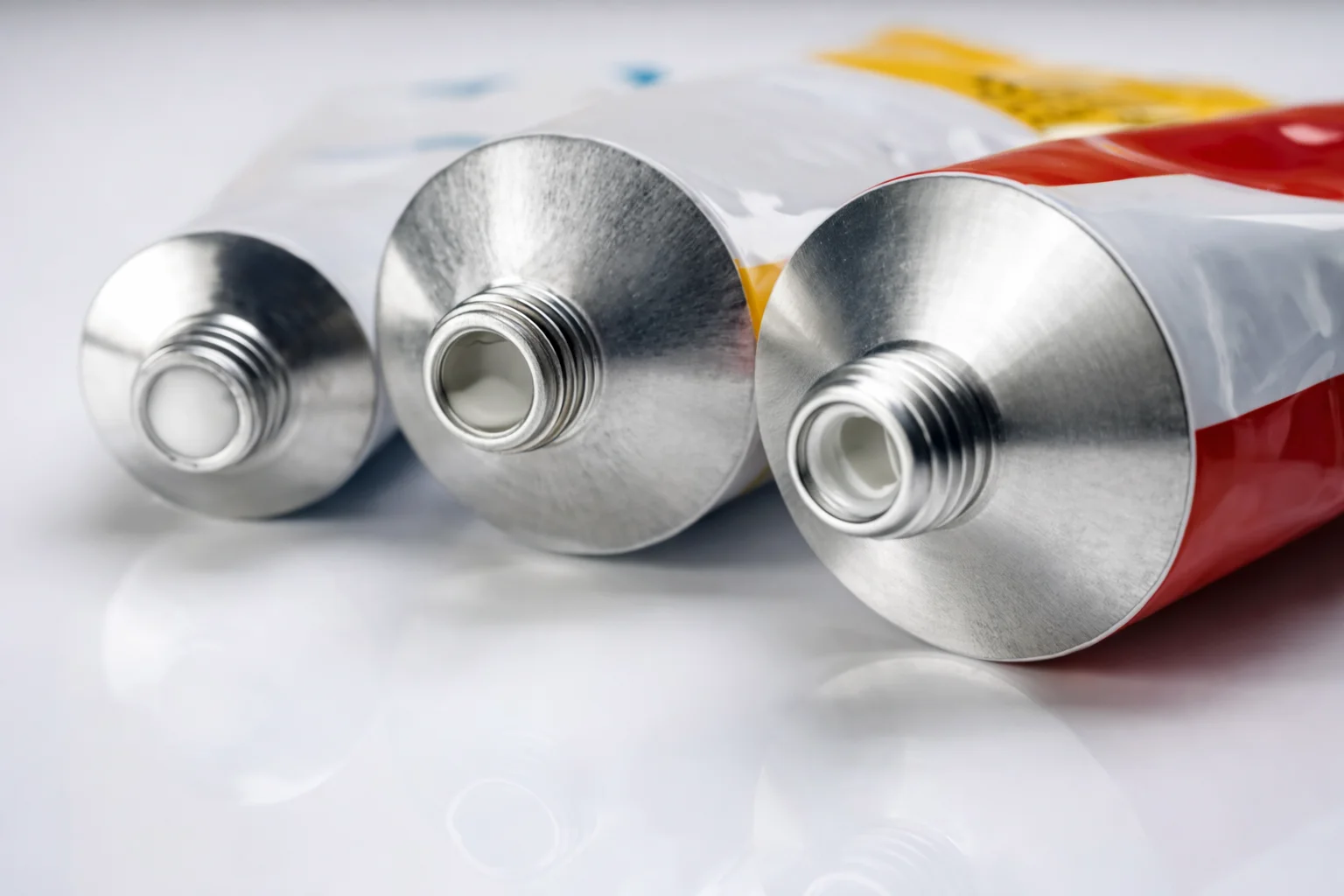
Tubes (laminate, aluminum), airless and atmospheric pumps, valves, foaming pumps, aerosols with propellants, droppers, and single-dose sachets are screened for compatibility. E&L, sorption, oxygen ingress, and light protection are assessed. Dose-delivery uniformity is proven across fill levels, orientations, and life-cycle.
Process development and scale-up
Mixing orders, shear/temperature profiles, homogenisation, and cooldown schedules are built to lock in microstructure. In-line and at-line tools (e.g., inline temperature, torque/viscosity proxies) are used where helpful. Cleaning validation addresses waxes, silicones, and hydrophobic residues. DoE defines robust design spaces before PPQ.
Stability and handling studies
Accelerated, long-term, and intermediate stability include freeze–thaw and centrifugation stress for emulsions, valve performance for sprays/foams, and pump priming/through-life delivery. In-use studies simulate real handling, orientation changes, and tip hygiene to set practical beyond-use guidance.
Clinical-supply and commercial manufacture
GMP compounding and filling are provided for tubes, jars, airless pumps, sprays, and aerosols with appropriate controls for viscosity, fill weight, and delivered dose. Serialisation and tamper evidence are implemented for regulated markets; change control and annual product reviews are maintained.
QbD and regulatory support
Control strategies link Q3 microstructure and IVRT release rates to critical material and process parameters. CMC authoring covers dermal, transdermal, and ophthalmic sections, preservative justifications, and device–product compatibility. For generics, Q1/Q2/Q3 sameness strategies, IVRT/IVPT protocols, and bioequivalence justifications are prepared.
Human factors and usability
Label text, pictograms, and QR-linked videos are developed to guide dose amount (e.g., fingertip units), application frequency, and site-specific instructions. Packaging ergonomics, cap designs, and drop accuracy for ophthalmics are validated with formative and summative studies.
Problem solving and lifecycle management
CRDMOs troubleshoot viscosity drift, phase separation, valve/pump failures, colour/odour change, preservative failure, and skin-feel complaints. Reformulations around excipient supply changes are bridged with IVRT/IVPT and Q3 comparability. Cost-down and sustainability options (airless pumps vs tubes, solvent reduction) are evaluated without compromising performance.
What Aurigene offers
Focused on creams, ointments, and gels, Aurigene develops topical medicines that are effective, stable, and pleasant to use. We combine advanced semi-solid analytics with scalable manufacturing so every batch spreads, releases, and performs the way patients expect.
- US FDA–inspected, state-of-the-art formulation and manufacturing sites
- Advanced characterization lab for semi-solids: flow/rheology and viscosity, globule (droplet) size, phase separation, and in-vitro drug-release testing (IVRT) for ointments, creams, and gels
- Flexible scale capability: 0.2–5.0 kg at R&D; up to 250 kg at commercial manufacturing
- Purpose-built equipment for O/W and W/O emulsions, hydrocarbon and water-soluble ointment bases, hydrophilic/organogel systems, and in-situ gel processing
- End-to-end topical development across the lifecycle: prototype screening, formulation/process optimization, scale-up and technology transfer, clinical trial supplies, ICH-compliant stability studies, and commercial manufacturing
- Formulation and GMP manufacture of ointments (hydrocarbon, absorption, water-soluble/insoluble), creams (O/W and W/O), and gels (bioadhesive, amphiphilic, non-aqueous, in-situ)
- Application of microsphere/controlled-release technologies to reduce dosing frequency and improve efficacy with minimal side effects
- Development of topicals for poorly soluble or poorly permeable and unstable drugs using advanced solubilization and stabilization approaches
- Skilled scientific team dedicated to topical dosage forms with 20+ years of formulation experience
- Proven capability in patient-centric design: enhanced quality, efficacy, and compliance through optimized texture, spreadability, and release
- Expertise in advanced technologies (e.g., microspheres, tailored gel systems) to tackle “hard-to-formulate” actives
- Services delivered across the product lifecycle with stringent regulatory compliance
Challenges for topical dosage forms
Microstructure control
Small changes in emulsifier grade, wax crystal form, or shear/cool history can alter droplet size, network structure, and release rate. Locking these in at scale is essential to maintain clinical performance and sensory feel.
Content uniformity and dose delivery
Every squeeze or actuation must deliver consistent drug. Phase separation, sedimentation of suspended actives, or pump drift can cause variability. Robust through-life dose-delivery testing and rheology tuning are non-negotiable.
Preservation without irritation
Preservatives must work against real-world contamination while remaining gentle on compromised skin. Partitioning into oil phases, binding to polymers, and sorption to packaging can reduce effective concentrations.
Skin variability and permeation predictability
Human skin differs by site, age, hydration, and disease state. Vehicles must deliver reproducible exposure despite this variability, and transdermal designs must respect flux limits without irritation.
Packaging compatibility
Oils, silicones, and fragrances can extract or leach components, and oxygen/light ingress may drive oxidation. Airless systems help but bring valve/tolerance complexity.
Climate robustness
Heat and humidity shift viscosity and phase behaviour; cold cycles induce crystallisation and phase inversion. Freeze–thaw and temperature cycling must be built into development.
Future outlook for topicals
Q3-led design and release/permeation modelling
Formulations will increasingly be defined and controlled by microstructure fingerprints (rheology spectra, microscopy, DSC) linked to IVRT/IVPT and, where relevant, dermal PK. Model-informed design will shorten iteration and strengthen post-approval change control.
Advanced vehicles for better feel and delivery
Silicone-in-water systems, emulsified gels, micro/nanoemulsions, lipid nanoparticles, and organogels will expand options for poorly soluble APIs and elegant skin feel, with fewer tack and residue complaints.
Preservative-lean and sensitive-skin designs
Wider use of hurdle strategies, airless packaging, and short in-use periods will reduce reliance on higher preservative loads, supporting dermatology lines for sensitive skin.
Smarter packaging and metering
Airless pumps with dose counters, foaming pumps with improved consistency, ophthalmic multi-dose preservative-free systems, and valves engineered for low-viscosity drift will improve accuracy and hygiene.
Bioequivalence science for semi-solids
Broader adoption of IVRT, IVPT, and dermal PK methods will streamline generic development and support lifecycle changes without repeated clinical trials, provided Q1/Q2/Q3 sameness is demonstrated.
Sustainability
Solvent-lean processing, recyclable mono-material tubes, propellant choices with lower environmental impact, and concentrated formats that use less plastic will move from pilots to standard practice.
Digital quality systems
Electronic batch records, process data historians, and analytics on rheology, valve performance, and release trends will catch drift early and speed CAPA, while QR-linked patient instructions improve correct use.
Topicals will succeed when the basics are right: a vehicle patients like to use, microstructure that stays stable from lab to plant, dose delivery that is uniform in every actuation or fingertip, and a packaging system that keeps the product clean and consistent through real-world handling. The craft is to deliver the API where it needs to act, in a system that is stable, elegant, and easy to manufacture—every batch, every pack, every time.