

We enable the pre-clinical development of New Chemical Entities (NCEs) by offering a one-stop solution for rapid and customized product development. All experimental activities are recorded in an Electronic Lab Notebook (ELN), ensuring real-time online documentation that adheres to the ALCOA+ principles of data integrity. Our value proposition: Discovery Research Quick access to the building blocks and key intermediates Synthesis driven by time-efficiency Quantities ranging from 100 grams to several kilograms
Early phase development Quick access to drug substance for toxicology studies Phase-appropriate PRD to enable scale up Non-GMP facility: Flexible operation and accelerated delivery
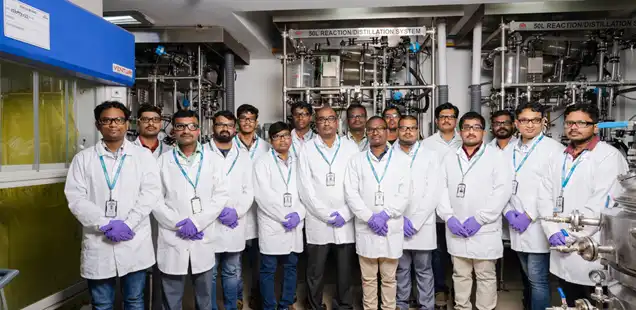
Infrastructure
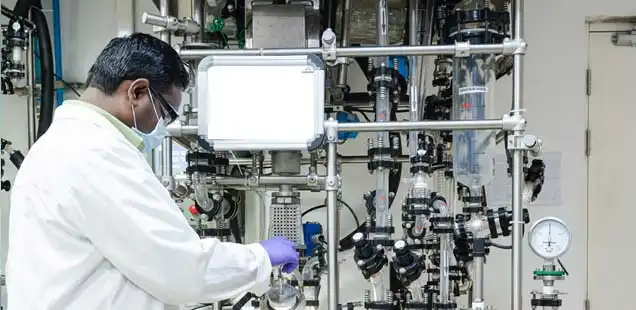
- Over 300 fume hoods supporting diverse chemical operations
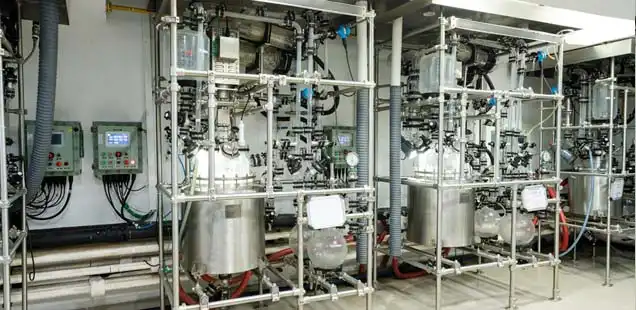
- Kilo lab equipped with cylindrical reactors ranging from 5 to 50L capacity
- Large-scale reactors from 500 to 5000 L located at the Hyderabad facility
- Downstream processing equipment includes Pressure Nutsche Filter, Vacuum Tray Dryer, and 20L Rotavapor
- Huber thermal control unit enabling process operations from -20 to 150 °C
- Internal network of strategic business partners
- Crystal16
- React IR
- We also have a potent kilo lab
Scientific Expertise
- Qualified PhDs and Postdocs in organic chemistry
- 150+ scientists in chemistry and analytical services
- 20+ process engineers and process safety engineers
Chemistry Capabilities
Expertise in
- Metal-promoted cross coupling reaction
- Halogenation reactions
- High pressure hydrogenation
- Metal hydride reactions
- Carbohydrates
- Lipids
- Peptides
- PEGylation
- Asymmetric synthesis
- Deuterated compound
- Heterocyclic chemistry
- Asymmetric hydrogenation
- Chiral synthesis
Analytical Capability
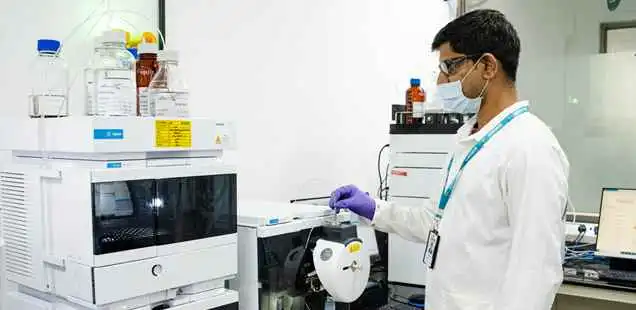
- High-performance liquid chromatography with varying detectors
- Gas chromatography
- Mass triple quad, 1H NMR Bruker
- Differential scanning calorimeter
- Micro calorimeter
- Reaction calorimetry
- SFC purification for small scale
Why Aurigene Non-GMP Pilot Development Facility?

Quick turnaround of sample delivery

A strong scientific and analytical team

Infrastructure for mg to kg synthesis

Large network of qualified strategic business partners
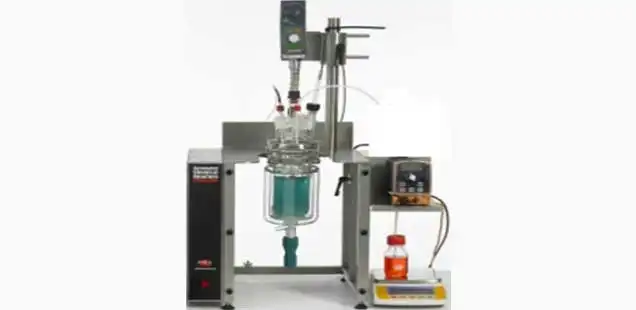
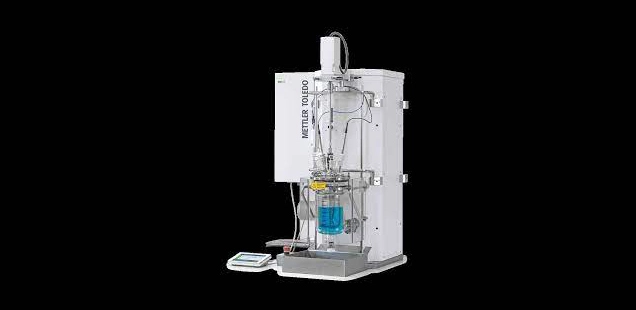
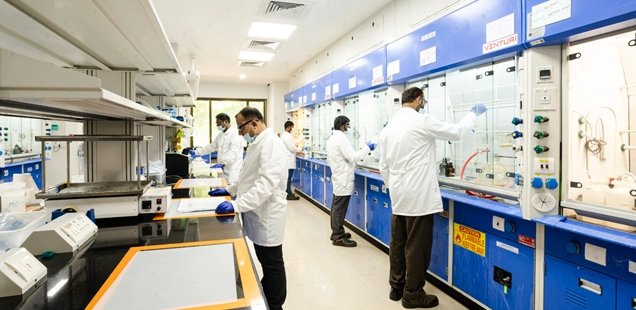
Virtual Tour

Hyderabad R and D Center
Bangalore R and D Center
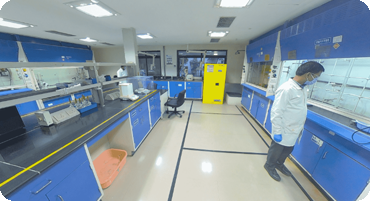
Development and Kilo Lab
Connect with our scientific experts for your drug discovery, development, and manufacturing needs
We understand that clear communication is essential to successful collaborations, and that's why we have a dedicated team that is always ready to help you. Whether you have questions about our services, want to discuss a potential partnership, or simply want to learn more about our company, we're here to help.
Our team of experts is dedicated to providing personalised solutions tailored to your unique needs. So, please don't hesitate to reach out to us. We look forward to hearing from you and helping you achieve your business goals.
Learning Resources
JULY 03, 2026
The journey from Scientific Insight to Patient Impact
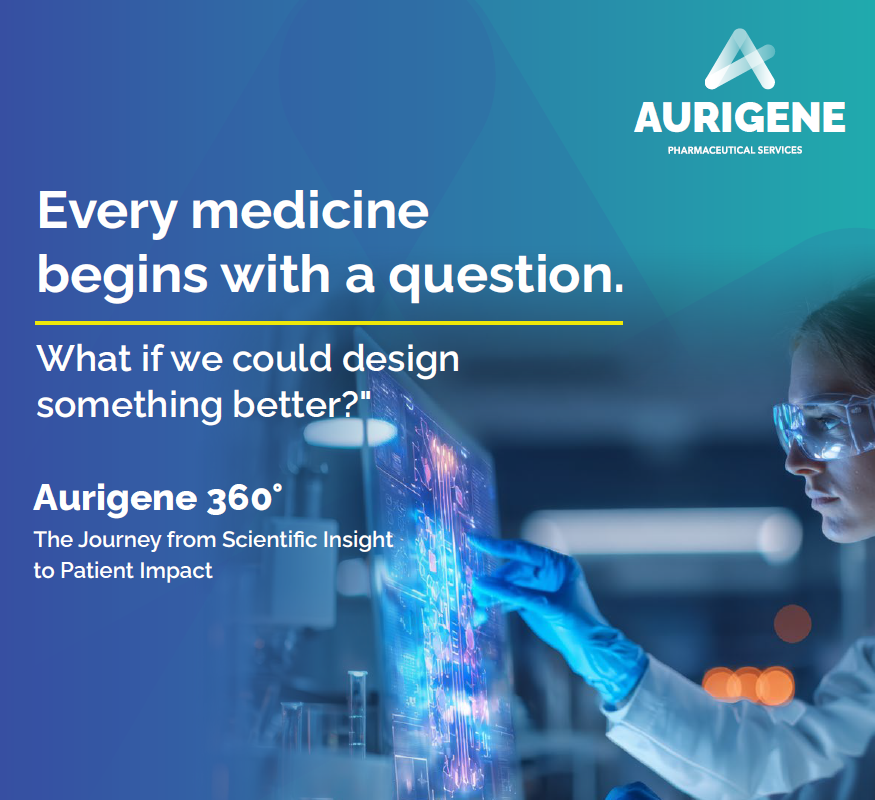
Home › Company › Aurigene 360°: The Journey from Scientific Insight to Patient ImpactPublish on : January 25, 2026 Shares:Every medicine begins with a question.Sometimes with a scientist studying a protein structure late at night.Sometimes with a disease that still has no effective treatment.Sometimes with a simple thought:"What if we could design something ...
Read More
Peptide Development and Manufacturing
Peptides are short chains of amino acids that are linked by peptide bonds. Several peptides linked together are called polypeptides. A protein contains one or more polypeptides. Therefore, proteins are long chains of amino acids held together by peptide bonds....
Read More
Biologics Process Scale-up Services
Built on a solid platform of development and manufacturing scientist, we enable scale up doe both upstream and downstream processes. ...
Read More
Expediting early development through innovative precision capsule filling technology
Introduction: Any new chemical entity (NCE) needs to undergo various stages of development such as preclinical and clinical trials before drug product is approved by regulatory agencies and available for patient. Formulations developed during early phases are simple formulations to enable phase appropriate studies like screening, dose ranging, toxicological and d...
Read More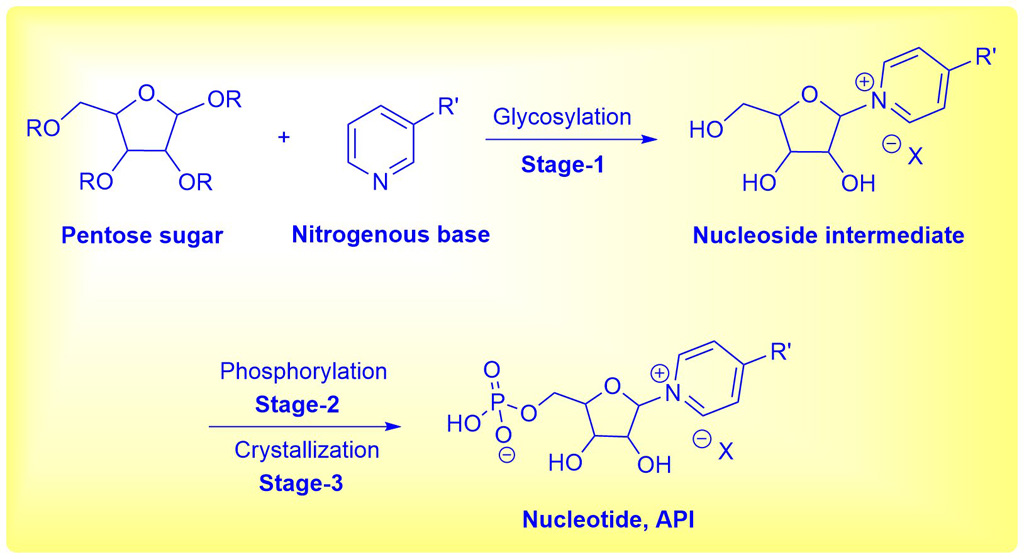
August 28, 2020
Revisiting the reaction of b-chloroacroleins with 2-aminophenol: a new observation
The reaction of b-chloroacrolein with 1 equiv of 2-aminophenol in DMF proceeds smoothly to afford 11-hydroxy derivative of chromenoquinoline in good yield. This single pot method allows for a rapid access to a variety of chromenoquinolines or oxepinoquinolines depending on the nature of b-chloroacrolein used. The structures were established by spectroscopic data ...
Read More-
April 21, 2026
H2SO4-SiO2 catalyzed synthesis, in silico and in vitro evaluation of quinazoline-based fused tetracyclic derivatives as new inhibitors of PDE4B
The 6,6a-dihydro-5H-isoquinolino[2,3-a]quinazoline-5,7,12-trione (DIQT) derivatives (that belong to the quinazoline-based fused tetracyclic class of compounds) though known in the literature, their biological properties have not been explored previously. In the current study, we have explored the phosphodiesterase 4B (PDE4B, an important target for the identifica...
Read More -
January 31, 2025
Development and assessment of a Bcs class II - SGLT2 (Sodium Glucose Cotransporter 2) inhibitor drug in the form of solid lipid Nanoparticles by selecting different lipids, co-surfactants, and manufacturing techniques
Drug Delivery System (DDS) has been used successfully in the past few decades to cure illnesses and enhance health because of its improved systemic circulation and ability to regulate the drug's pharmacological action. As pharmacology and pharmacokinetics advanced, the idea of controlled release emerged, demonstrating the significance of drug release in assessing...
Read More -
January 31, 2025
Development of novel paullone-based PROTACs as anticancer agents
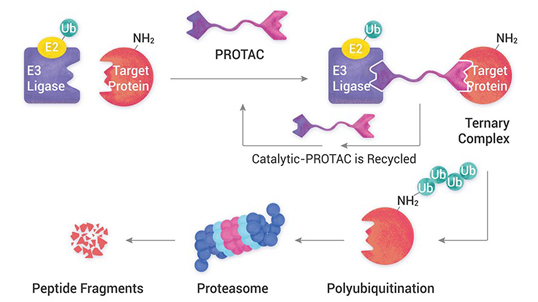
Proteolysis-targeting chimera (PROTACs) represents a promising modality that has gained significant attention for cancer treatment. Using PROTAC technology, we synthesized novel structurally modified paullone-based PROTACs using Cereblon (CRBN) and Von Hippel–Lindau (VHL) E3 ligands....
Read More
Frequently asked questions
What is a kilo lab, and where does it sit between bench chemistry and GMP manufacturing?
A kilo lab is a scale-up facility that makes hundreds of grams to a few kilograms of API — the bridge between milligram bench chemistry and full GMP or pilot plant manufacturing. Kilo lab scale-up moves a route out of round-bottom flasks into 10–100 L reactors, exposing mixing, heat-transfer and work-up issues early. It supplies non-GMP material for tox and early development before committing to larger pilot plant campaigns.
How much API does a typical IND-enabling tox study and Phase 1 campaign require?
It depends on dose, duration and species, but ballparks help. The IND-enabling tox batch quantity — two-species GLP studies plus safety pharmacology — is often a few hundred grams to roughly 1–2 kg of non-GMP material for tox study use. How much API is needed for a Phase 1 clinical trial is usually low single-digit kilograms. Potent molecules need far less; high or long dosing needs more.
Can non-GMP material be used in IND-enabling toxicology, and what documentation does the filing require?
Yes — non-GMP material for IND toxicology is acceptable, because GLP governs how the tox study is run, not GMP for the material. The batch must be well characterised and representative of the intended clinical material. Non-GMP batch documentation for the regulatory filing includes a certificate of analysis, identity and assay data, a full impurity profile and manufacturing details, so reviewers can bridge the tox lot to the clinical API.
What is an engineering or demonstration batch, and what does it de-risk before a GMP campaign?
An engineering batch in pharma is a full-scale, non-GMP rehearsal run on the actual production equipment before the GMP campaign. Demonstration batch scale-up confirms the process behaves the same at commercial scale — mixing, heat transfer, filtration, drying and cycle times — and that batch records, in-process controls and yields hold. It surfaces equipment and procedural problems while they are cheap to fix, so the GMP PPQ batches run clean.
What non-GMP pilot scales and unit operations are available under contract?
A non-GMP pilot facility typically offers reactors from about 10 L to several hundred litres for pilot scale API manufacturing. Unit operations include multi-step synthesis, hydrogenation and cryogenic reactions, extraction and distillation, crystallisation, filtration (Nutsche or centrifuge) and vacuum drying, plus in-line analytics. This lets a route be scaled, optimised and de-risked — producing tox and engineering batches — before it moves into GMP manufacturing.
How does a programme move from non-GMP pilot into GMP manufacturing at the same site?
Non-GMP to GMP manufacturing at one site removes an external hand-off. The proven pilot route, analytical methods and process knowledge pass through an internal, integrated API tech transfer: methods are validated, the process locked and batch records written under the quality system. Because equipment, teams and data already align, non-GMP to GMP technology transfer is faster and lower-risk — moving from engineering batches into GMP and PPQ smoothly.
You are about to leave Aurigene Pharmaceutical Services and affiliates website. Aurigene Pharmaceutical Services assumes no responsibility for the information presented on the external website or any further links from such sites. These links are presented to you only as a convenience, and the inclusion of any link does not imply endorsement by Aurigene Pharmaceutical Services.
If you wish to continue to this external website, click Proceed.


Leaving already?
Don't forget to join us at
CPHI Worldwide 2023.
October 24th-26th, 2023 | Barcelona, Spain
Get ready to accelerate your drug’s journey to the market