


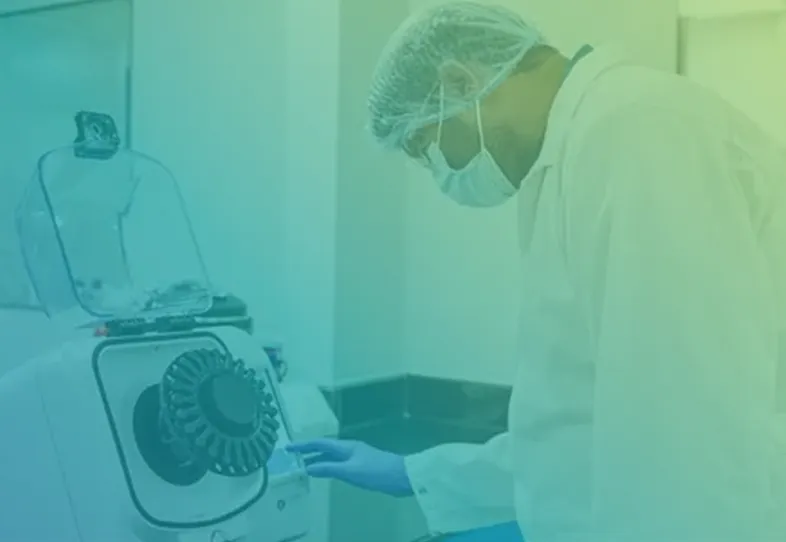
Our pharmacokinetic (PK) studies in rats, mice and dogs help in understanding the characteristics of New Chemical entities (NCEs). Our PK studies are highly efficient in predicting the exposure while determining the dosage levels and frequencies for testing in preclinical in vivo animal disease efficacy models. We conduct pharmacokinetic (PK) studies for small and large molecules at our state-of-the-art laboratories and vivarium. Our DMPK scientists help understand the drug's AUC, clearance, half-life, the volume of distribution, Cmax, and Cmin in the body over time.
Industry’s leading CRO for Pharmacokinetic Studies A variety of surgical animal PK models Track record of delivering 200+ GLP studies GLP accredited bioanalysis labs for PK studiesNon-GLP bioanalysis facilities for PK studiesA wide range of administration routes

Why Aurigene In vivo Pharmacokinetics (PK) Studies and Services?

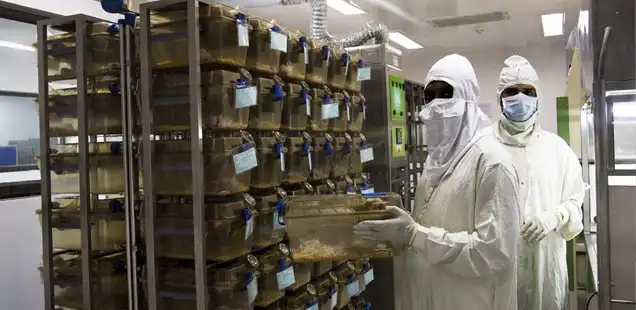
Variety of surgical animal PK models

Track record of delivering 200+ GLP studies

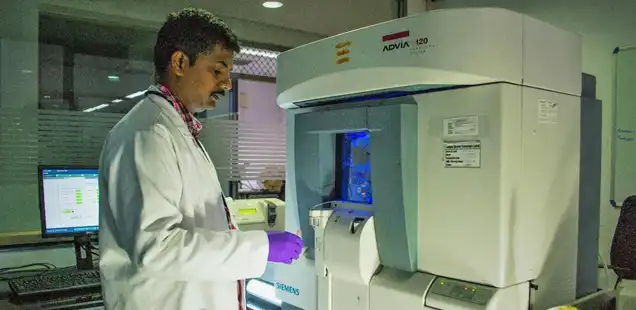
GLP accredited bioanalysis labs for PK studies

Non-GLP bioanalysis facilities for PK studies

A wide range of administration routes
Other Services
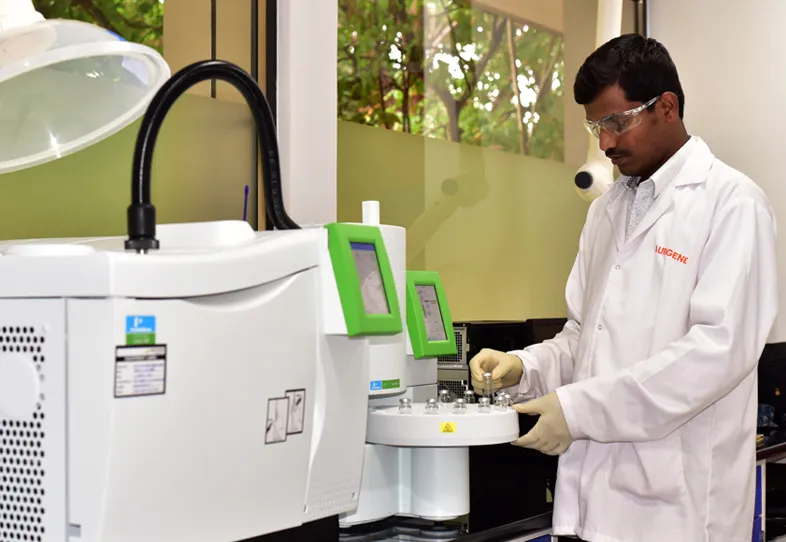
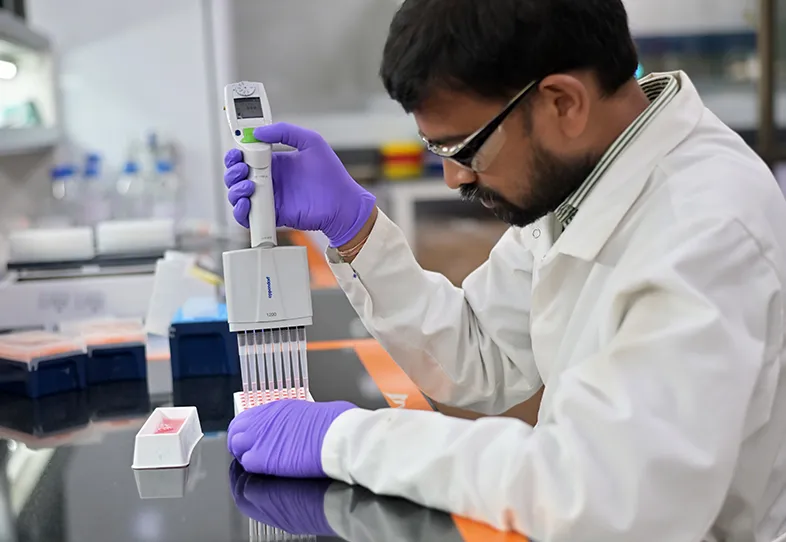
Connect with our scientific experts for your drug discovery, development, and manufacturing needs
We understand that clear communication is essential to successful collaborations, and that's why we have a dedicated team that is always ready to help you. Whether you have questions about our services, want to discuss a potential partnership, or simply want to learn more about our company, we're here to help.
Our team of experts is dedicated to providing personalised solutions tailored to your unique needs. So, please don't hesitate to reach out to us. We look forward to hearing from you and helping you achieve your business goals.
Learning Resources
FEBRUARY 23, 2021
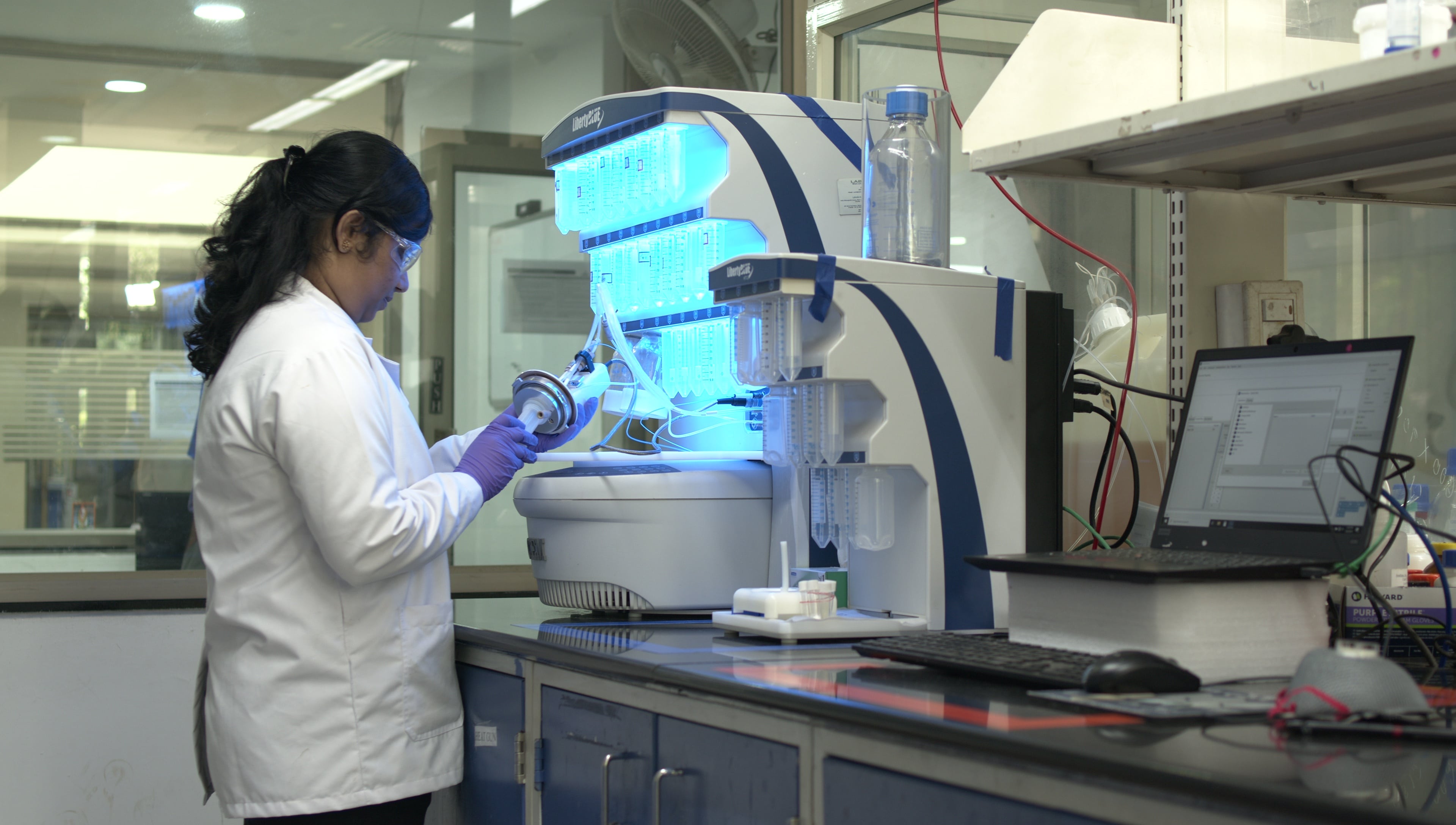
Emerging Trends in Solid State Phase Peptide Synthesis
Peptides are short chains of amino acids that are linked by peptide bonds. Peptides are highly specific and offer improved toxicological profiles. Peptides are produced using one of three synthesis methods: Solid phase peptide synthesis, liquid phase pepide synthesis or a hybrid approach.Solid-phase peptide synthesis(SPPS) is one of the most commonly used techniq...
Read More
HPAPI Molecule from Development to Market
The global Highly Potent Active Pharmaceutical Ingredients (HPAPI) market is expected to reach USD 26.84 Billion by 2023 from USD 17.72 Billion in 2018, at a CAGR 8.7%....
Read More

Physiochemical Characterization Services
Backed by our strong chemistry, we enable “Finger-print” protein structure and functional characterization for proteins from naked proteins to hyperglycosylated or derivatized proteins. ...
Read More


Fixed Dose Combination Formulation
Introduction: A fixed dose combination (FDC) includes two or more active pharmaceutical ingredients (APIs) combined in a single dosage form. Fixed dose combination (FDC) product is expected to provide below advantages: Improved medication compliance by reducing the pill burden of patients. To achieve synergistic activity If combinations include doses of each drug...
Read More
September 22, 2022
Urea as an Ammonia Surrogate in the Hantzsch’s Synthesis of Polyhydroquinolines / 1,4-dihydropyridines under Green Reaction Conditions
Synthesis of polyhydroquinolines via Hantzsch’s multicomponent reaction (MCR) involves the use of a hygroscopic and moderately toxic ammonium salt as one of the key reactants. In our effort,...
Read More-
April 21, 2026
H2SO4-SiO2 catalyzed synthesis, in silico and in vitro evaluation of quinazoline-based fused tetracyclic derivatives as new inhibitors of PDE4B
The 6,6a-dihydro-5H-isoquinolino[2,3-a]quinazoline-5,7,12-trione (DIQT) derivatives (that belong to the quinazoline-based fused tetracyclic class of compounds) though known in the literature, their biological properties have not been explored previously. In the current study, we have explored the phosphodiesterase 4B (PDE4B, an important target for the identifica...
Read More -
January 31, 2025
Development and assessment of a Bcs class II - SGLT2 (Sodium Glucose Cotransporter 2) inhibitor drug in the form of solid lipid Nanoparticles by selecting different lipids, co-surfactants, and manufacturing techniques
Drug Delivery System (DDS) has been used successfully in the past few decades to cure illnesses and enhance health because of its improved systemic circulation and ability to regulate the drug's pharmacological action. As pharmacology and pharmacokinetics advanced, the idea of controlled release emerged, demonstrating the significance of drug release in assessing...
Read More -
January 31, 2025
Development of novel paullone-based PROTACs as anticancer agents
Proteolysis-targeting chimera (PROTACs) represents a promising modality that has gained significant attention for cancer treatment. Using PROTAC technology, we synthesized novel structurally modified paullone-based PROTACs using Cereblon (CRBN) and Von Hippel–Lindau (VHL) E3 ligands....
Read More
Frequently asked questions
How do interspecies differences impact the extrapolation of in vivo PK data to human pharmacokinetics?
Differences in CYP enzyme expression, transporters, and physiology can lead to non-linear scaling. Allometric scaling and PBPK models help mitigate risk, but prediction uncertainty remains inherent.
How are toxicokinetic (TK) studies integrated with PK assessments during IND-enabling programs?
TK studies link systemic exposure with toxicity endpoints across dose levels, supporting safety margins. Differences between PK and TK profiles can arise due to saturation or non-linear kinetics.
How does protein binding influence pharmacokinetic interpretation and drug exposure?
Only the unbound fraction contributes to pharmacological activity and clearance. High protein binding can mask true exposure, and interspecies differences complicate translation to human PK predictions.
What challenges are encountered in quantifying low-exposure compounds in in vivo PK studies?
Low systemic exposure can fall below assay detection limits, impacting accuracy of PK parameters such as AUC and clearance. Aurigene addresses this with high-sensitivity LC-MS/MS platforms and optimized bioanalytical workflows.
How can integrated PK and bioanalytical capabilities improve data quality and turnaround in preclinical studies?
Tight integration ensures rapid sample processing, validated assays, and consistent data interpretation. Aurigene’s in-house PK and bioanalysis workflows help reduce variability and accelerate decision-making timelines.
You are about to leave Aurigene Pharmaceutical Services and affiliates website. Aurigene Pharmaceutical Services assumes no responsibility for the information presented on the external website or any further links from such sites. These links are presented to you only as a convenience, and the inclusion of any link does not imply endorsement by Aurigene Pharmaceutical Services.
If you wish to continue to this external website, click Proceed.


Leaving already?
Don't forget to join us at
CPHI Worldwide 2023.
October 24th-26th, 2023 | Barcelona, Spain
Get ready to accelerate your drug’s journey to the market