


Turning Proteins into Reliable Medicines: Biologics Formulation Development from Bench To Batch
Every successful biologic carries a quiet story of care. Long before a vial reaches a clinic, the molecule has to learn how to live outside the body, how to ride out cold chains and shaking trucks, how to tolerate a stopper and a syringe barrel, how to stay folded and functional in a solution that suits both patient and process. That journey is the work of formulation development. It converts a fragile protein or complex modality into a stable, manufacturable, and patient friendly drug product. It balances thermodynamics and transport, interfaces and impurities, supply realities and regulatory expectations. It also has to work on day one in development and on day one hundred in commercial supply, with the same predictability.
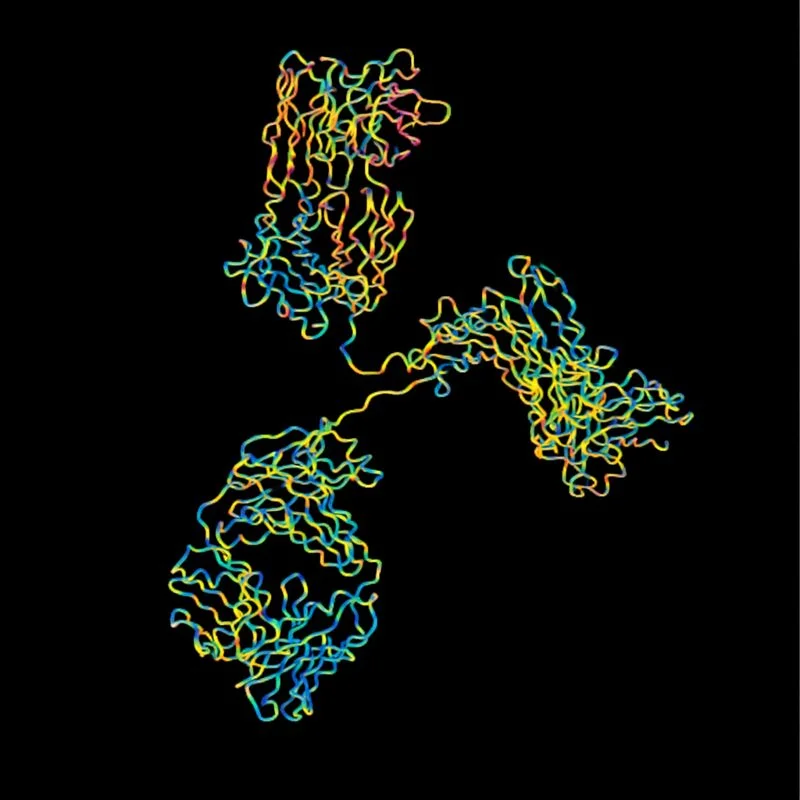
For biologics, formulation is never an afterthought. Proteins and other large molecules are sensitive to heat, light, oxygen, and mechanical stress. Minor changes in pH or ionic strength can modify the balance between a compact, active structure and a partially unfolded state that tends to stick to other molecules or to primary contact surfaces. Aggregates increase immunogenicity risk and complicate purification, filling, and device performance. Excipients that protect the molecule can themselves degrade or interact with packaging. Container closure systems have to keep contaminants out and avoid introducing particles or leachables. Stability programs must generate evidence that the product holds its quality through transport and storage under real conditions. The effort sounds heavy, but the logic is straightforward. Understand what the molecule dislikes, design a microenvironment that it prefers, and then ensure the manufacturing and packaging preserve that microenvironment over time.
Drug product characterization is the steady thread through this work. It links the composition to measurable critical quality attributes and tracks how those attributes change under stress and time. It provides the map that connects buffer systems, excipients, and process steps to the observed purity, potency, and particle profile. That map helps teams take decisions with less debate and fewer surprises. An early formulation screen that uses meaningful stresses can prevent months of late rework. A good comparability strategy can turn a change in vial or stopper from a risk into a routine lifecycle update. In the background, documentation has to tell a simple cause and effect story that satisfies reviewers and gives confidence at sites that inherit the process. In the foreground, patients experience a product that is consistent from dose to dose and safe to administer in the intended setting. The rest of this page walks through the main concepts, typical services offered by development partners, and a view of facilities and capabilities relevant to biologics formulation and drug product development.
Connect with our scientific experts for your drug discovery, development and manufacturing needs
Overview of biologics formulation development
Formulation development for biologics is the systematic selection of composition, presentation, and processing conditions that preserve a molecule’s structure and activity over shelf life and during administration. Composition typically means a buffer system with a selected pH, a tonicity agent, one or more stabilizers, and a surfactant for protection at interfaces. Presentation means the drug product form, such as liquid solution or lyophilized powder, and the primary container, such as vial or prefilled syringe. Processing conditions include filtration, mixing, hold times, temperatures, and filling parameters that the product experiences before stoppering or capping. Together, these choices must deliver a sterile, particle controlled, and stable product.
How biologics differ from small molecules
Biologics are large, flexible structures held together by many weak interactions. They can denature at air liquid or solid liquid interfaces, unfold with heat, and associate into dimers or larger aggregates when electrostatic and hydrophobic forces push them together. Chemical routes of change exist as well, including oxidation, de-amidation, and isomerization. These reactions are sensitive to pH, buffer species, dissolved oxygen, light, and trace metals. Small molecules also degrade, but their crystallinity, solubility profiles, and chemical pathways behave very differently in formulation. In practice, biologics require more attention to colloidal behaviour, interfacial effects, and gentle, well controlled processing.
Where formulation fits in the development path
In early development, the focus is on quick learning. Teams screen buffer and excipient combinations, run forced degradation and stress studies, and choose a presentation that supports the first clinical phases. In later development, the emphasis shifts to robustness, device compatibility, and lifecycle planning. Hold times are justified with the data. Freeze thaw limits are tested. Mixing and filtration are tuned to minimize shear and membrane fouling/clogging or foaming. Scale up is rehearsed so that the chosen composition and process transfer cleanly to clinical or commercial filling lines. Throughout the path, stability studies run in the background to build the shelf life argument.
Principles, Scientific Rationale, and Working Examples
Protein stability as the first principle
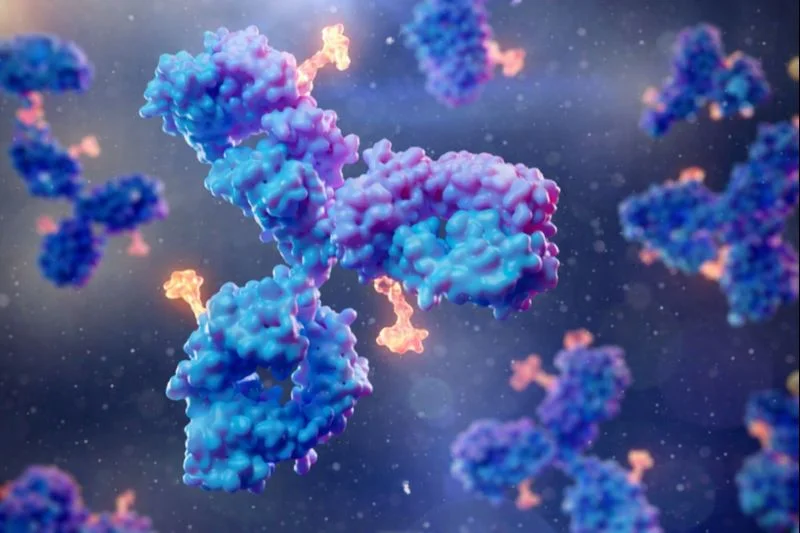
Two ideas guide most decisions. Conformational stability is about keeping the native fold favoured over partially folded states. Colloidal stability is about discouraging attractive interactions between molecules. Composition and process choices should support both. For example, a buffer and pH that raise the thermal unfolding temperature and lower the second virial coefficient toward a non-attractive regime often reduce aggregation. Surfactants protect against interfacial denaturation. Sugars and polyols act as preferentially excluded stabilizers that help proteins remain compact. Amino acids such as arginine may reduce viscosity and moderate self-association. None of these rules is universal. Each molecule is its own case and benefits from focused, orthogonal measurements rather than a single readout.
Excipient function and selection
Excipients are not decorative. Surfactants such as polysorbates and poloxamers protect against protein adsorption to container system as well as interfacial damage during filtration, mixing, and filling. Stabilizers such as sucrose and trehalose help in both liquid and lyophilized states. Amino acids like histidine serve as buffers and can act as stabilizers in their own right. Methionine and other antioxidants may protect against oxidation under light or in the presence of trace metals. Tonicity agents such as sodium chloride keep the formulation comfortable for injection. Selection involves both function and safety. An excipient that controls a problem but degrades into reactive species later will create a new problem. Screens that combine thermal ramps, agitation, light exposure, and orthogonal analytics are practical because they reveal multiple failure modes at once.
Subcutaneous administration aims for small volumes and short injection times. This often pushes protein concentration to levels where viscosity increases rapidly, and self-association becomes significant. Syringe force and auto-injector performance then become limiting factors. Sometimes arginine or sodium chloride can reduce attractive interactions and lower viscosity, but the effect is protein specific. Device elements matter as well. Silicone oil in syringe barrels can generate droplets that look like sub-visible particles. Coating strategies and barrel quality have to be evaluated alongside the formulation. The general approach is to set clear targets for concentration, viscosity, and injection time, and then test candidates that meet those targets while preserving purity and potency on stability.
When a protein gets destabilized in liquid form over the required shelf life, lyophilization becomes a helpful option. Freeze-drying removes water and slows most chemical reactions. Cycle development balances the collapse temperature, residual moisture, and cake structure to create a robust product that reconstitutes quickly and cleanly. Typical lyo-protectants and bulking agents include sucrose, mannitol and trehalose. These would also help in maintainingcake structure. During development, teams check for reconstitution related particles, monitor potency and purity across storage, and verify that the product meets appearance and moisture specifications. The trade-off versus a liquid formulation is additional complexity in process development and a reconstitution step for the user.
Container closure and materials compatibility
The primary container and elastomeric components can contribute particles, extractables, and leachables, or interact with the protein at the surface. Early compatibility studies identify combinations of glass, stopper, syringe barrel, plunger, and lubricants that minimize these risks. Container closure integrity has to be demonstrated across transport and storage. For prefilled syringes, glide force and break loose force affect device performance. For vials, crimp quality and stopper design affect seal performance and vacuum retention after lyophilization. A simple message sits under these details. Choose components that fit the product’s needs and test them early under practical stresses.
Analytical characterization as the decision engine
A workable panel measures identity, purity, size variants, charge variants, potency, sub-visible particles, and general attributes such as concentration, osmolality and pH. Orthogonality is important. Size exclusion chromatography detects fragments and high molecular weight species, but orthogonal methods provide confidence where interactions or column overloading might mislead. Capillary electrophoresis sodium dodecyl sulfate in both reduced and non-reduced modes clarifies the size profile. Ion exchange chromatography resolves charge variants that reflect deamidation or other changes. Micro flow imaging captures particle morphology that light obscuration counts cannot show. Differential scanning calorimetry and differential scanning fluorimetry map thermal transitions. Dynamic light scattering tracks hydrodynamic size changes and early aggregation. A potency method that reflects mechanism keeps the dataset tied to function. This ensemble is not about flair. It is simply a set of tools that turn speculation into observation.
Process interactions that affect product quality
Filtration can create shear and extensional stress that promote unfolding at interfaces. Mixing can introduce foaming and air liquid interface exposure. Hold times at elevated temperature can speed chemical reactions. Freeze thaw cycles can concentrate solutes in the last liquid regions and stress the protein. Each of these has a practical mitigation. Select filters and flow rates that reduce stress. Tune impeller type, speed, and fill volumes. Set hold times and temperatures to limits that the product tolerates. Define freeze thaw rates and controlled nucleation strategies if possible. These are not theoretical concerns. They are sources of scatter in outcomes that do not show up in a quiet development lab unless the stresses are reproduced.
Quality target product profile and control strategy
A quality target product profile aligns the clinical and commercial needs with the design space for formulation and process. It sets ranges for concentration, pH, viscosity, device compatibility, and administration volume. The control strategy then defines how raw materials, in process parameters, and final product tests keep the product within that space. For example, if protein oxidation under light is a known risk, specifications for peroxide content in excipients and light exposure limits during processing will be included. If particle control is tight, filtration steps and visual inspection criteria will be designed accordingly. When the control strategy reflects the real risks of the molecule and process, batch to batch consistency is easier to achieve.
General offerings of CDMOs in drug product characterization studies and testing services
Phase-appropriate formulation support
Development partners typically offer rapid buffer and excipient screening in early phase to enable first in human studies with minimal material. Forced degradation and stress mapping are used to uncover sensitive pathways. Preliminary device compatibility is assessed so that a switch to a prefilled syringe later does not surprise the team. As programs progress, partners expand the work to include robustness studies, hold time justifications, and support for presentation changes. The focus is always on the next decision and the data needed to support it.
Analytical method development and qualification
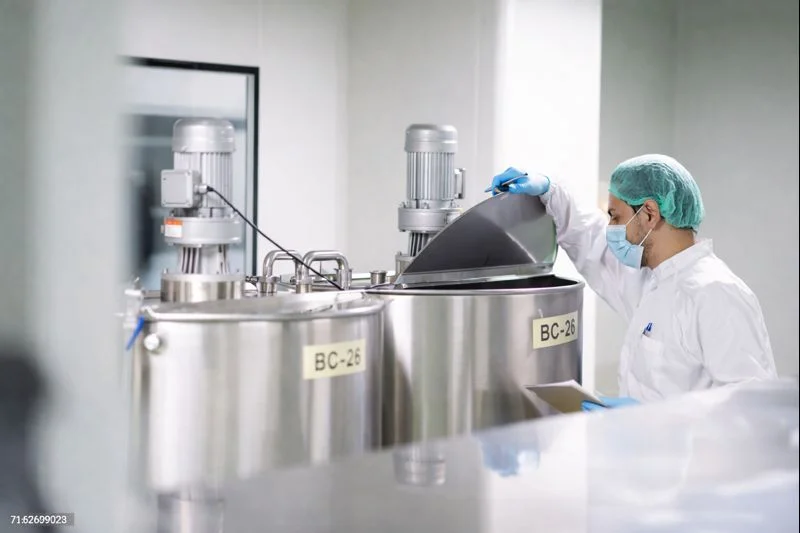
CDMOs develop and qualify methods that are stability indicating and suitable for the phase. Early methods are designed for sensitivity and speed. They become more formal as the program moves toward validation. Orthogonality remains a theme so that conclusions are not based on a single technique. Potency methods receive special attention because they connect structure to function. Where reference standards are limited, partners help design bridging plans that maintain continuity in results.
Stability study design and management
Stability studies are planned to support shelf life, transport, and in use conditions. Real time, accelerated, and stress conditions are selected to produce a predictive picture, not just a box checking exercise. Photostability, freeze thaw, and agitation studies are added when relevant. Data handling, trend analysis, and statistical justification for shelf life are included in reports and ready for regulatory modules.
Container closure integrity and compatibility
Services cover CCIT studies with dye ingress or microbial ingress methods as appropriate, extractables and leachables risk assessments with targeted testing where risk is identified, and practical checks on device assembly and performance. Prefilled syringe and auto-injector systems are evaluated for glide force, break loose force, and particle generation. For lyophilized products, stopper selection and crimp quality are assessed to maintain vacuum and ensure reliable reconstitution.
Process development and tech transfer
Partners help translate a lab recipe into a process that runs on real filling lines. Mixing studies define speeds that avoid foaming. Filtration studies choose membranes and surface areas that minimize stress while delivering the required throughput. Hold times are defined so that scheduling at a filling site is realistic. Documentation is prepared for tech transfer, including batch records, sampling plans, and in process controls. Where multiple sites are involved, comparability plans coordinate data across batches and locations.
Regulatory writing and lifecycle support
CDMOs prepare clear narratives that connect the formulation and process to the observed stability and purity outcomes. They assemble data for chemistry, manufacturing, and controls sections, including justification for excipient selection, control strategy, and container closure. When changes are needed after initial submission, lifecycle strategies and supporting studies are designed to keep supply running.
Special studies and problem solving
Every program meets a few surprises. Unexpected particles appear after transport. Viscosity drifts under certain storage conditions. A device change becomes necessary due to supply constraints. Development partners run targeted studies that isolate root causes and test practical fixes. Often the answer is a small change in composition plus a process or component adjustment. The value lies in moving from a symptom to a fix without losing time.
What Aurigene offers
Aurigene supports biologics formulation and drug product development from early screening to late phase robustness and manufacturing readiness. The labs, equipment, and platforms are chosen for phase appropriate speed and depth, and for the ability to move from small screens to fill finish with confidence.
- State of the art formulation and analytical facility
- High throughput screening using 96 well plate methods
- Stability chambers for 5 ± 3°C, 25± 2°C/60 ± 5% RH, 40 ± 2°C/75 ± 5 % RH conditions, and orbital shaker incubator at 25± 2°C condition
- Lyophilization using Lyostar lyophilizer
- Bausch and Strobel vial filling machine and prefilled syringe filling machine
- Liquid filling lines for 2R to 50R vials, auto-injectors and prefilled syringes
- Single use and stainless steel systems for drug product manufacturing
- Early stage formulation and drug product development studies
- Late stage process optimization and manufacturability evaluation
- Buffer screening, excipient screening, and stress studies
- Container closure compatibility studies and stability programs
- Liquid and lyophilized drug product development for clinical studies
- Formulation robustness and drug product presentation extension studies
- High concentration monoclonal antibodies
- Vials liquid and lyophilized, prefilled syringes, and auto-injector presentations
- Dynamic light scattering, differential scanning fluorimetry, differential scanning calorimetry, micro flow imaging, and nephelometry
- Size exclusion chromatography, ion exchange chromatography, capillary electrophoresis sodium dodecyl sulfate, and HPLC charged aerosol detection
- High resolution mass spectrometry and triple quadrupole mass spectrometry
- Carbohydrate and ion chromatography, viscosity and osmolality measurement
- FT near infrared, Karl Fischer, light obscuration for sub-visible particles (HIAC), Micro flow imaging (MFI), density measurement, and visual inspection
Challenges and future outlook
High concentration, low volume delivery
Subcutaneous delivery typically limits volume and prefers short injection times. The product therefore trends to high concentration. As concentration climbs, viscosity and self-association become practical constraints. The workable space shrinks unless composition and sequence features cooperate. Research is steadily improving the predictive understanding of viscosity and aggregation behaviour from early biophysical signals and from sequence level descriptors. In the near term the development task remains pragmatic. Set realistic targets for concentration, viscosity, injection time, and device force. Test excipient sets known to moderate attractive interactions. Use early small scale tools that correlate with full scale experience. Adjust the clinical plan if the physics refuses to bend.
Particles and interfaces in the real world
Particles arise from multiple sources. Protein interactions, silicone oil droplets from syringe barrels, elastomer shedding, and process introduced foreign matter all contribute. Interfacial stresses during mixing, filtration, transport, and device actuation can fuel these pathways. Better surfactants, careful control of silicone application, and improved barrel coatings reduce risk, but they do not eliminate it. A practical response includes realistic agitation and transport simulations in development, tighter control of filters and tubing, and a visual inspection program that detects trends before they become batch level issues. Sub-visible particle imaging adds useful texture to simple counts and can correlate with specific root causes.
Container closure systems and change control
Supply chains evolve. Glass compositions, elastomer formulations, and lubricant methods change over time. Managing these changes without disrupting supply is a routine part of lifecycle management. A sensible approach starts with a component choice that has strong vendor documentation and a stable manufacturing base. It continues with a change control plan that defines how extractables, leachables, and performance criteria will be reassessed if materials or processes change. Early comparability strategies and well documented risk assessments make later changes smoother and faster to approve.
Analytical depth without losing speed
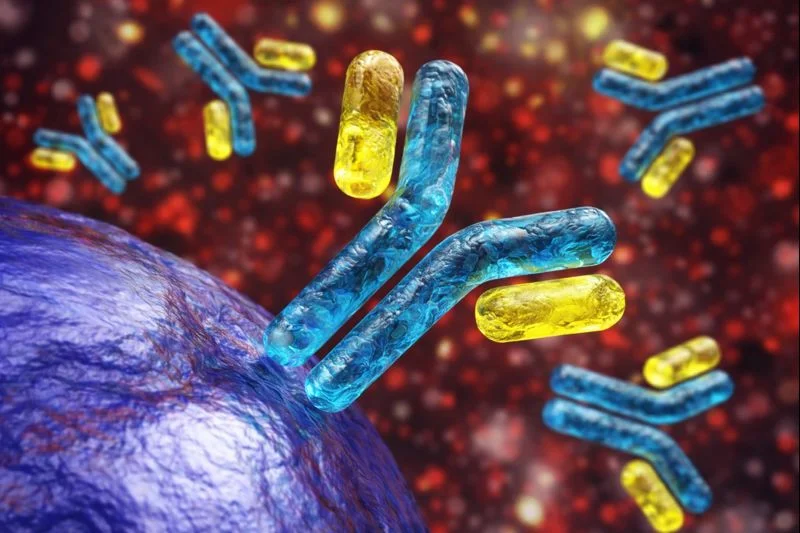
Development teams often feel a tension between thoroughness and pace. Phase appropriate thinking resolves most of it. Early methods should be sensitive and orthogonal enough to distinguish well from unsupportive formulation spaces and to pick up the main degradation routes under stress. Later methods can be tuned for robustness and transferability to quality control labs. Method lifecycle management keeps assays current without breaking trending continuity. The outcome is not excessive testing, but disciplined testing that answers the next decision with confidence.
Digital and high throughput development
Miniaturized biophysical screens allow many compositions to be tested with small material consumption. Informatic models link sequence features and simple solution properties to aggregation or viscosity risk. Automation reduces operator variability and speeds data generation. None of this removes the need for careful reasoning. It simply increases the number of reasonable hypotheses that can be tested within a week. The next few years will likely see tighter loops between sequence, process, and formulation predictions, and more decision making supported by integrated datasets that combine analytics, process parameters, and stability outcomes.
Manufacturability as a design criterion
A formulation can be stable and still be hard to manufacture. Extremely tight pH windows, narrow shear tolerances, or awkward mixing sequences increase the risk of deviations. Manufacturability should be considered at the same time as stability. If a change in buffer system slightly lowers thermal stability but makes pH control easier and filtration smoother, the net effect on real world batch success may be positive. Similarly, if a lyophilization cycle that is easy to run delivers a cake that reconstitutes ten seconds slower than an aggressive cycle, that trade off may still favour the simpler, more robust option. Design for manufacturing is not a slogan in this space. It is the difference between a plant that spends its time making product and a plant that spends its time investigating excursions.
Global supply and device ecosystems
Device platforms and component availability shape feasible presentations. Auto-injectors have force limits and dimensional constraints. Syringe and vial vendors have lead times and change notifications. Cross-functional planning that includes procurement, device engineering, and quality early in formulation helps avoid later pivots. Programs that begin with a vial for early phases but anticipate a prefilled syringe or auto-injector later should build a bridge plan that validates comparability step-by-step and keeps stability data flowing without gaps.
Regulatory alignment and clear narratives
Regulators expect a clear line from risk to control. If oxidation is a risk, then raw material specifications, process light limits, and stability monitoring should reflect it. If particles are a concern, then filtration choices, agitation controls, and inspection strategies should be aligned. Dossiers that read like a cause and effect story tend to move smoothly. Country specific expectations differ in detail, but the common ground is strong. Early attention to data integrity, statistical justification for shelf life, and clarity in control strategies pays off at submission and during inspections.
Sustainability and efficiency pressures
Cold chain footprints, single use plastics, and energy intensive lyophilization cycles are under scrutiny. Newer materials, smarter packaging, and more efficient cycles are part of the response. Process intensification in upstream and downstream can change the demands on formulation by altering impurity profiles or requiring different filtration strategies. Development groups will increasingly find sustainability metrics included in success definitions, not as an add-on, but as a factor that shapes choices among options that are scientifically comparable.
People and tacit knowledge
Formulation work lives at the junction of science and craft. Methods and instruments deliver data, but experienced teams notice small patterns that do not yet show in summary charts. Foam behaviour in a specific mixing tank, the way a filter responds when a solution approaches a certain viscosity, the tell-tale look of a lyophilized cake that will later reconstitute poorly. Capturing this tacit knowledge in procedures, training, and design rules makes organizations more resilient as teams change and programs scale. Investment in cross training between formulation scientists, analytical scientists, process engineers, and device specialists builds a shared vocabulary and shortens problem-solving cycles.
What success looks like
In practice, a good formulation program feels uneventful. Screens run in weeks, not months. A composition is selected with a clear rationale. Stability results line up with predicted pathways. Filling trials run without drama. Device tests meet force and time limits. Documentation tells a simple story. When issues do arise, the team has enough understanding to isolate the cause and fix it without a full reset. The product that reaches the clinic behaves the same way that it behaved in the lab, and the product that reaches commercial supply behaves the same way that it behaved in the clinic. That steady line is what patients, clinicians, and sponsors expect.
Biologics formulation development is a practical craft powered by careful science. It asks for respect for the molecule, patience with the data, and empathy for the reality of manufacturing and use. The principles are stable. Protect the fold. Reduce attractions. Avoid harsh interfaces. Choose components that behave well together. Test stresses that mirror real life. Build methods that see what matters. The field keeps improving the tools, but the core remains the same. When that core is applied with discipline, a promising therapeutic stops being fragile and starts being dependable. That is the quiet transformation that turns a protein into a medicine.