


Bioanalytical Pathways that Shape a Biologic: Tracing a Molecule’s Story Through Science
The story of a biologic always begins with a scientific idea, but its real identity is revealed only when its interactions, behaviour, and impact are measured with precision. In the world of modern therapeutics, biologics have become central to many treatment landscapes. Their structural complexity, sensitivity to even minor changes, and dependence on intricate biological pathways place heavy emphasis on analytical clarity. This clarity is achieved through bioanalytical capabilities that describe how a biologic behaves across its entire life cycle, from its earliest expression to its performance in clinical settings.
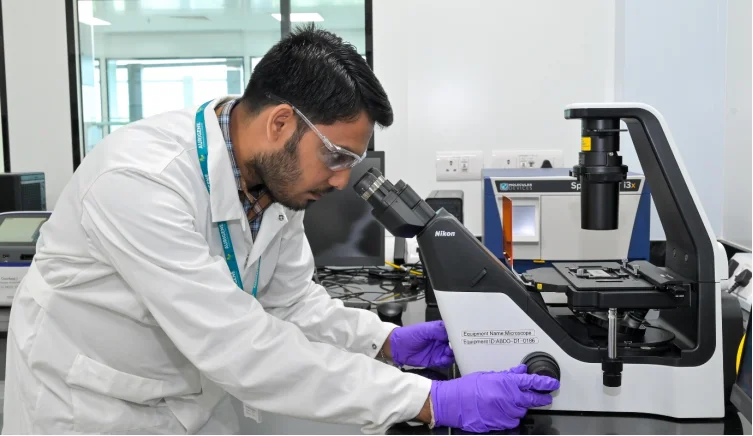
Bioanalytical science is central to biologics development because these therapies are far more complex than small molecules. Unlike simple chemical entities, biologics are large, intricately folded structures whose identity depends on post-translational modifications, non-covalent interactions, and environmental stability. Antibodies are defined not only by their amino acid sequence but also by their glycan profiles, charge variants, disulfide bonds, higher-order structures, and their ability to trigger cellular pathways. Fusion proteins integrate multiple functional domains that must operate seamlessly together. Bispecific molecules simultaneously engage two distinct targets and must demonstrate balanced binding across both. Thus, each biologic modality carries a distinct biological signature that must be thoroughly characterized and understood. Mapping this unique footprint is what makes bioanalytical science indispensable to the successful development of biologics.
In the evolving world of biologics, bioanalytical science stands as both the scientific foundation and a strategic driver. Every measurement contributes to the molecule’s story. Ligand binding assays reveal the strength of molecular interactions. Cell-based assays show whether that binding translates into biological function. PK studies uncover how the molecule behaves and remains stable inside the body. Immunogenicity assessments highlight how the immune system perceives and responds to the therapy. A single unexpected signal in any of these dimensions can alter the trajectory of development. This interconnected data makes bioanalysis not a supporting role, but a guiding force.
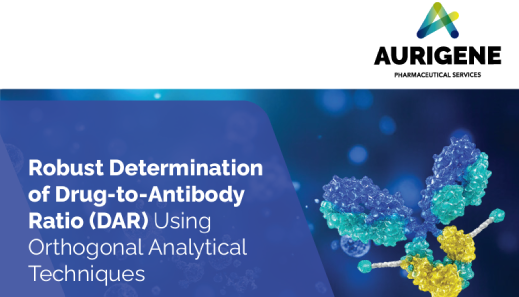
The expansion of biologic modalities has further deepened the analytical challenge. While monoclonal antibodies remain central, newer constructs—bispecifics, trispecifics, fusion proteins, enzyme therapeutics, peptides, vaccines, and antibody-drug conjugates (ADCs)—demand specialized tools, cell systems, and regulatory approaches. What works for a simple antibody may fail for a bispecific with asymmetric architecture. A cytokine therapeutic may require ultra-sensitive multiplex detection, while an ADC may need LC-MS-based drug-to-antibody ratio (DAR) measurements alongside functional cell-killing assays.
Bioanalytical capabilities therefore carry a dual responsibility: To decode the molecule’s identity and mechanism and to deliver a clear, credible analytical narrative to regulatory teams. They define potency, demonstrate mechanism of action, guide dose selection, evaluate safety, and ensure comparability. In essence, bioanalysis is the bridge that connects discovery science with clinical outcomes. As biologics diversify and grow more complex, bioanalytical pathways will play an even greater role in shaping development strategies.
Connect with our scientific experts for your drug discovery, development and manufacturing needs
Overview of bioanalytical capabilities for biologics development
Bioanalytical capabilities are a cornerstone of biologics development, reflecting the inherent complexity of these therapies. Unlike small molecules with predictable chemical behavior, biologics are large, heterogeneous, and structurally sensitive. Their therapeutic effect depends not only on the primary sequence but also on folding, glycosylation, charge variants, stability, and interactions within living systems. This complexity makes direct measurement challenging, and bioanalytical science provides the tools to reveal how these molecules behave, function, and engage biological pathways across development.
Bioanalytical methods play a critical role in quantifying a drug's concentration, potency, mechanism of action, pharmacokinetic (PK) behavior, immunogenicity, and biological effects. During the discovery phase, these methods help screen multiple candidates and rank them based on biological activity. As development progresses into preclinical and clinical stages, bioanalytical approaches support PK/PD assessments, safety profiling, and dose selection, providing the foundational data needed for informed decision-making. In late-stage development, they enable activities such as lot release, comparability, and stability studies, ensuring that manufacturing processes consistently produce high-quality therapeutics.
Strategically, a strong bioanalytical framework ensures that every development decision is supported by data that is sensitive, specific, reliable, and scientifically robust. By grounding analytical strategies in regulatory expectations—such as reproducibility, accuracy, and biological relevance—organizations can reduce development risk, accelerate timelines, and enhance confidence in the safety and efficacy of therapeutic candidates. This alignment with regulatory standards is especially important as drugs become more complex and personalized.
Bioanalytical platforms combine various technological approaches, including immunoassays, functional assays, ligand-binding assays, mass spectrometry, and biomarker analyses. These platforms are versatile and adaptable; they support diverse therapeutic modalities such as monoclonal antibodies, bispecifics, fusion proteins, peptides, enzyme-based drugs, vaccines, and sophisticated biologics like antibody-drug conjugates (ADCs). This adaptability ensures that bioanalytical methods remain relevant and capable of addressing the unique challenges posed by emerging and next-generation therapeutics.
Scientific foundations of bioanalytical science
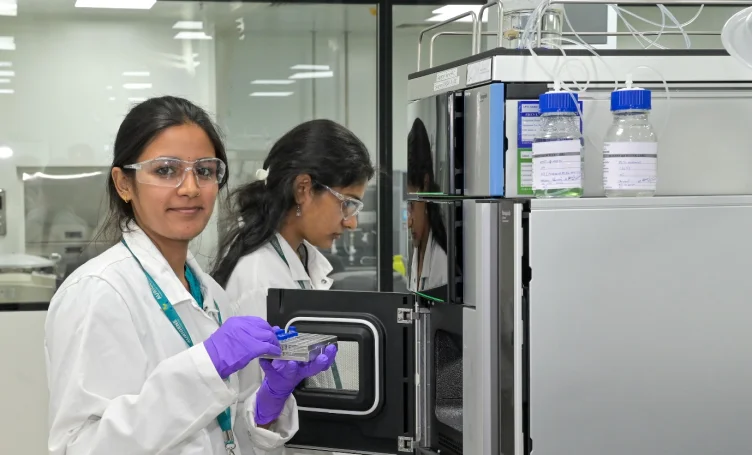
Bioanalytical science is the discipline that measures biological molecules and the signals they produce, serving as the lens through which biologics are understood. For these complex therapies, bioanalysis captures interactions, binding behavior, functional responses, and pharmacological impact—data that are indispensable for dose selection, safety monitoring, mechanism-of-action interpretation, and product quality assurance.
Unlike small molecules, which can often be quantified directly through chromatographic techniques, biologics demand a more sophisticated toolkit. Immunoassays, functional assays, mass spectrometry, and biomarker profiling are frequently combined to provide a complete picture of molecular behavior.
Bioanalytical methods rely on core principles such as specificity, sensitivity, accuracy, precision, reproducibility, and overall robustness. These methods must be carefully designed to handle challenges unique to biological therapeutics—for example, interference from endogenous proteins, matrix effects from complex biological samples, or unintended cross-reactivity. Because biologics interact with natural components of the body, assays must be fine-tuned to distinguish the therapeutic molecule from similar endogenous substances while still delivering reliable, meaningful data.
Different therapeutic modalities also come with their own analytical hurdles. Antibody-based drugs may cross-react with the body’s own immunoglobulins, while fusion proteins can undergo proteolysis or show domain-specific interactions that complicate measurement. Each type of biologic—whether an antibody, peptide, fusion construct, or other complex modality—requires analytical tools tailored to its structural and functional characteristics. Adapting bioanalytical platforms to match the nature of each molecule ensures that results remain accurate, interpretable, and relevant throughout development.
In essence, bioanalytical science transforms complexity into clarity—providing the data that ensures biologics are not only effective but also safe, consistent, and scientifically validated.
Ligand binding assays
Ligand binding assays remain the foundation for many bioanalytical measurements. These assays rely on specific interactions between a biologic and a capture or detection agent. The basic principle is simple: an antigen or receptor binds to the biologic, forming a measurable complex. In practice, the technique becomes highly adaptable and supports early screening, potency measurements, Pharmacokinetic (PK) evaluations, Anti-drug antibody (ADA) detection, and biomarker quantification.
ELISA formats are used widely because they offer ease of use and flexibility. Electrochemiluminescence based assays expand sensitivity for clinical samples and allow multiplexing. Multiplex immunoassays enable simultaneous measurement of several biomarkers or analytes, which is increasingly important for immunotherapies and engineered antibodies.
SPR-based kinetic analysis provides real time evaluation of binding affinity, association and dissociation rates, and target interactions that may shift as the molecule undergoes changes during engineering or manufacturing. For complex biologics such as bispecifics, SPR can evaluate each binding arm independently, providing insight into relative affinities and functional balance.
Cell-based functional assays
Cell-based assays provide functional readouts that reflect the biological mechanism of action of the molecule. Unlike ligand binding assays, which measure interactions, cell-based assays capture downstream signalling, cytotoxicity, receptor activation, and other biologically relevant behaviours. These assays can measure:
- Cytotoxicity
- Receptor activation
- Internalisation
- T-cell redirection
- Proliferation
- Pathway modulation
- Cytokine release
For antibody-dependent cellular cytotoxicity, for example, cell-based assays measure lysis of target cells mediated by effector cells. For checkpoint inhibitors, assays may assess T cell activation or cytokine modulation or relief of immune suppression. A living cell system can capture subtle differences that ligand binding assays cannot reveal. However, this biological relevance comes with added complexity. Successful cell‑based assays require thoughtful design, well‑characterized and stable cell banks, tightly controlled culture conditions, and continuous monitoring to avoid assay drift. As a result, cell based assays represent one of the most informative yet technically demanding elements of bioanalytical development.
Immunogenicity assessments
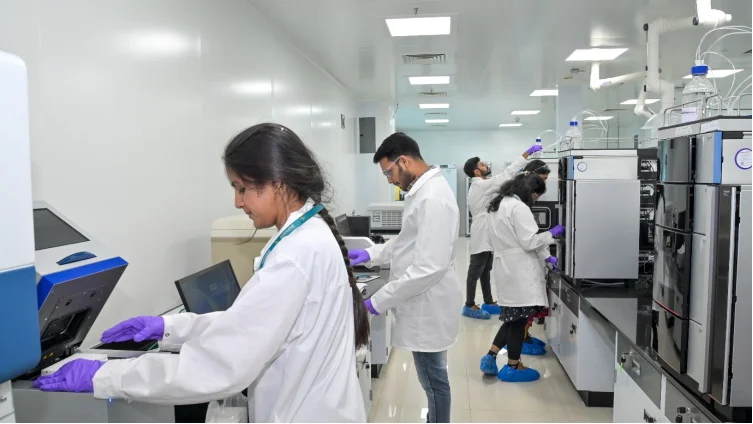
Immunogenicity testing is essential for biologics because the immune system can recognise the molecule as foreign and produce anti-drug antibodies. ADA responses can alter PK, block the mechanism of action, or trigger adverse safety events. A standard immunogenicity workflow includes:
- Screening
- Confirmatory testing
- Titration
- Neutralizing antibody evaluation
Screening assays are intentionally designed for high sensitivity to detect even low-level ADA responses. Confirmatory assays then refine these findings by ensuring specificity and distinguishing true positives from nonspecific signals. When ADAs are detected, titration helps quantify the magnitude of the response. Neutralizing antibody assays determine whether the detected ADAs interfere with the biologic’s functional activity, which is often the most clinically meaningful outcome.
Beyond ADA detection, broader immunogenicity profiling provides deeper insight into immune activation pathways. Innate immunogenicity assessments examine early immune responses such as Toll like receptor (TLR) activation or cytokine release, commonly using HEK reporter systems or RAW Reporter system or primary immune cells. Adaptive immunogenicity assessments focus on antibody generation, memory responses, and downstream functional consequences.
Another important dimension is impurity induced immunogenicity, which evaluates how host cell proteins (HCPs), host cell DNA (HCD), aggregates, degradation products, or structural modifications may contribute to immune risk. Understanding these factors helps guide process development, formulation optimization, and overall risk mitigation strategies.
PK and PD analysis
Pharmacokinetic (PK) and pharmacodynamic (PD) analyses form the backbone of understanding how a biologic behaves in the body and how that behavior translates into therapeutic effect. PK assessments quantify circulating drug concentrations over time and characterize key parameters such as exposure, clearance, half-life, accumulation, and inter patient variability. Bioanalytical PK methods quantify circulating drug levels and evaluate exposure, elimination, accumulation, and variability. For biologics, the analysis must consider target-mediated drug disposition, nonlinear kinetics, or binding to soluble receptors. PK interpretation is often more complex than for small molecules because factors such as target mediated drug disposition (TMDD), nonlinear kinetics, FcRn recycling, and binding to soluble or shed receptors can significantly influence drug levels. Ligand binding assays are commonly used because of their high sensitivity and suitability for complex matrices.
LC-MS platforms support molecules with unique structural requirements, such as ADCs, peptides, or fusion proteins. Ligand binding assays remain the primary analytical platform for PK studies due to their high sensitivity, selectivity, and compatibility with challenging biological matrices. However, certain modalities—such as antibody–drug conjugates (ADCs), peptides, engineered scaffolds, or fusion proteins—may require LC MS based quantification to resolve structural variants, measure released payloads, or distinguish between total and active drug species.
PD analysis examines biological response in relation to drug exposure. PD endpoints may include biomarker modulation, functional cellular responses, gene or protein expression signatures, or pathway specific readouts that reflect the drug’s mechanism of action. These measurements help determine how changes in drug concentration translate into pharmacological effect, therapeutic benefit, or potential toxicity.
PK-PD integration helps support dose justification and informs clinical strategy. Integrating PK and PD data provides a mechanistic understanding of dose–response relationships. PK PD modeling supports dose selection, therapeutic window definition, schedule optimization, and clinical decision making throughout development. For biologics with complex mechanisms—such as immune modulators, bispecifics, or cell engaging therapies—PK PD integration is especially valuable for predicting response dynamics and guiding rational clinical strategy.
Process-related impurities and product related impurity profiling
Process-related impurities can affect both functionality and safety. Bioanalytical platforms evaluate host cell proteins, host cell DNA, protein A leachate, residual solvents, and other impurities. platforms including ELISA, LC MS, and qPCR form the core toolkit for PRI characterization, each offering sensitivity and specificity suited to different impurity classes. . HCPs, for example, may elicit immune responses or interfere with the therapeutic’s biological activity. Residual DNA must be tightly controlled to meet regulatory safety thresholds. Protein A leachate, commonly associated with affinity purification, can compromise assay performance or impact long term product stability if not adequately removed. A robust PRI strategy ensures that manufacturing processes remain consistent, controlled, and compliant with global regulatory expectations, while also supporting comparability assessments during scale up or process changes.
Biomarker programs
Biomarker programs have become indispensable in modern biologics development, providing mechanistic insight and guiding decision making across discovery, preclinical evaluation, and clinical translation. Biomarkers help elucidate disease biology, validate therapeutic mechanisms, predict dose requirements, and interpret clinical outcomes. They also play a key role in assessing off target activity, immune modulation, and patient specific response patterns.
Advanced analytical platforms—such as multiplex immunoassays, flow cytometry, and gene expression profiling—enable high resolution measurement of pathway activation, cytokine signatures, and cell mediated responses. In oncology, panels assessing cytokine release, T cell activation, or immune checkpoint modulation can reveal the extent of immune engagement. In autoimmune or inflammatory diseases, shifts in cytokine networks or suppression of inflammatory gene signatures provide quantitative measures of therapeutic effect.
As biologics become more complex, biomarker programs increasingly serve as the bridge between molecular design, pharmacology, and clinical performance, ensuring that therapeutic strategies are grounded in measurable biological outcomes.
General offerings of CDMOs in bioanalytics
Bioanalytical capabilities offered by CDMOs have grown steadily over the past decade because biologics now require deeper, more sensitive, and more contextual measurements. As biologics move from discovery to the clinic, the analytical needs shift from broad screening to highly controlled and regulatory aligned evaluation. CDMOs bridge this entire workflow by offering specialised laboratories, validated platforms, and scientific teams that can support diverse modalities. Their offerings typically span method development, validation, sample analysis, functional testing, immunogenicity evaluation, impurity assessment, and biomarker programs. Together, these services help developers maintain continuity of data across phases and ensure that analytical decisions remain consistent with regulatory expectations.
Bioanalytical method development
CDMOs build methods that match the biology, structure, and behaviour of each molecule. Method development covers ligand binding assays, cell based potency assays, PK assays, ADA assays, neutralizing antibody assays, biomarker assays, and impurity profiling. For biologics, method development is not just a technical process but a scientific decision. The platform chosen, the reagents used, and the assay format depend on the mechanism of action, the expected concentration range, the biological matrix, and the stage of development. A molecule in early discovery may need a broad screening assay, while a clinical molecule needs a regulatory compliant assay with high sensitivity and reproducibility. CDMOs use their experience across numerous modalities to select the right conditions, optimise parameters, and reduce development timelines.
Method qualification and validation
As programs progress into regulated studies, CDMOs conduct method qualification for non- clinical work and method validation for clinical samples. Qualification checks whether the method can reliably measure the analyte in the required matrix during early development. Validation follows international regulatory guidelines and includes detailed assessments of accuracy, precision, sensitivity, specificity, robustness, and reproducibility. Stability studies, matrix interference assessments, and cross reactivity checks are part of this process. A well validated method ensures that PK, PD, immunogenicity, and biomarker results remain meaningful across batches, study sites, and time points. This gives confidence that the analytical data will stand during regulatory review.
PK and PD analysis for preclinical and clinical studies
CDMOs support pharmacokinetic and pharmacodynamic analysis across species including rodents, non-human primates, and humans. PK assays quantify circulating drug levels to understand absorption, distribution, clearance, and accumulation. PD assays measure biological changes such as cytokine modulation, receptor activation, pathway inhibition, or biomarker response. High throughput ligand binding platforms are used for large preclinical and Phase 1 studies, while LC-MS based methods support specialised molecules such as peptides, fusion proteins, and ADCs. Exposure response modelling often depends on both PK and PD data, and CDMOs maintain the infrastructure to handle large sample volumes, tight timelines, and complex statistical requirements.
Immunogenicity testing
Immunogenicity remains one of the most critical components in biologics development. CDMOs maintain tiered immunogenicity programs that follow regulatory expectations. Screening assays detect potential anti drug antibodies with high sensitivity. Confirmatory assays check specificity by demonstrating that the signal is drug related. Titration measures antibody levels, while neutralizing antibody assays evaluate whether the antibodies block the drug’s functional activity. CDMOs also support innate immune activation studies using TLR reporter cell lines or primary immune cells. Cytokine release assays help evaluate early inflammatory risks. Together, these assessments provide a clear picture of immune risk in preclinical and clinical stages.
Cell-based potency assays
Functional potency assays are essential for biologics because they reflect mechanism of action. CDMOs develop, qualify, and maintain cell based assays that link biological activity to functional outcomes. These assays are used for lot release, comparability studies, stability programmes, and stress testing. Reporter gene assays capture pathway activation with high sensitivity. Cytotoxicity assays measure cell killing in effector dependent or effector independent mechanisms. Receptor signalling assays help understand functional binding and downstream modulation. Since cell based systems can drift over time, CDMOs maintain controlled cell banks, standardised operating conditions, and routine monitoring to keep assays stable and reproducible.
Process-related impurities and impurity analysis
Process related impurities must be controlled because they can affect safety, function, and immunogenicity. CDMOs perform host cell protein profiling through ELISA or LC-MS based analysis. Host cell DNA is quantified using qPCR platforms. Protein A leachate assays are used for monoclonal antibody purification processes. Residual solvents, detergents, and excipients are also evaluated when relevant. These analyses help determine whether manufacturing processes are robust and whether batches meet regulatory expectations. They are also essential for comparability studies when processes undergo changes.
Biomarker analysis
CDMOs support biomarker analysis to understand biological response, pathway modulation, or disease status. Multiplex immunoassays measure panels of cytokines or chemokines in small sample volumes. Flow cytometry enables cell subset profiling, receptor occupancy assessment, and functional activation readouts. Gene expression platforms capture transcription level changes that reflect biological activity. Biomarker packages are especially valuable in immunotherapy, inflammation, oncology, and cell based therapeutics, where early biological signals guide dose selection and clinical interpretation.
Custom Assay Development
Not all biologics fit into standard assay categories. CDMOs develop custom assays for modalities with novel or complex mechanisms. Bispecifics may need dual arm binding assays or T cell redirection models. Fusion proteins may require domain specific activity assays. GPCR targeting molecules often need calcium flux or reporter based readouts. ADCs require both functional cell killing assays and LC-MS based measurements of drug to antibody ratio, payload release, and linker stability. CDMOs use their cross platform knowledge to design assays that capture the unique behaviour of such molecules.
What Aurigene offers
Aurigene provides end-to-end bioanalytical capabilities for biologics development with a strong focus on precision and scientific relevance. Its bioanalytical laboratories support ligand binding assays, cell-based assays, immunogenicity testing, PK and PD analysis, PRI profiling, and biomarker programs. The approach integrates molecular understanding with functional insight to support confident decision-making across discovery, preclinical development, and clinical studies.
- Dedicated ligand binding assay laboratories using ELISA and SPR
- Cell-based assay suites with controlled environments
- Immunogenicity and innate immune activation laboratories
- Biomarker analysis rooms with multiplex platforms
- Flow cytometry and advanced imaging infrastructure
- LC-MS platforms for complex biologics
- Controlled temperature sample storage systems
- 21 CFR Part 11 compliant digital environment
- Bioanalytical method development
- Method qualification and validation
- ADA and NAb analysis
- Cell-based potency and functional assays
- Mechanism of action assay design
- PRI profiling including HCP, HCD, and PAL
- Early developability assessment
- Comparability and stability analytical support
- ELISA, ECL, and multiplex LBA platforms
- SPR kinetics and affinity characterisation
- High complexity cell-based assays
- Reporter gene assay systems
- TLR and innate immune activation assays
- PBMC-based cytokine release studies
- Tiered immunogenicity workflows
- LC-MS bioanalysis for ADCs and fusion proteins
- Custom assays for bispecifics, peptides, and engineered constructs
Challenges and future outlook
Rising molecular complexity
Biologics design has become more advanced. Bispecifics, multispecifics, fusion constructs, and ADCs require integrated binding, functional, and structural analysis. Each component of the molecule can influence bioanalytical outcomes, making the assay strategy more complex. Future programs will require hybrid approaches combining LBA, cell-based assays, and LC-MS methods to capture a complete picture.
Demand for higher sensitivity
Newer biologics often operate at lower concentrations in vivo or require extended exposure periods. This increases the demand for highly sensitive assays such as Simoa platforms, ultrasensitive ECL formats, and targeted LC-MS workflows. Sensitivity will remain a major area of innovation.
Immunogenicity uncertainty
Immunogenicity continues to be a critical challenge. New expression systems, engineered variants, and novel domain architectures may introduce unpredictable immune risks. Advanced T cell activation models, primary cell systems, and innate immune activation assays will become more important in future evaluations.
Biomarker-driven development
Clinical decision-making increasingly relies on biomarkers to demonstrate target modulation or treatment effectiveness. Multiplex panels, flow cytometry, and gene expression signatures will shape the next generation of clinical studies.
Automation in bioanalytical labs
Automation is expanding across ligand binding and cell-based platforms. Automated workstations reduce human variability, improve throughput, and enhance reproducibility. Integration of digital tracking, data analytics, and real-time monitoring will redefine laboratory operations.
Regulatory evolution
Regulatory expectations for bioanalytical methods are becoming more granular. Authorities expect strong justification of assay design, correlation with the mechanism of action, and clear interpretation of functional relevance. Analytical data must align more closely with clinical objectives. This will drive more mechanistic assay development and earlier introduction of clinically meaningful endpoints.
Future scientific direction
The bioanalytical landscape will continue moving toward integrated multi-platform analysis. Binding, potency, immunogenicity, PK, PD, and biomarker programs will be interpreted together rather than as separate data streams. Systems biology perspectives will inform assay strategies. Molecular-level impurity profiling, advanced imaging, and next-generation sequencing may join the bioanalytical toolkit for complex biologics.
At the centre of this evolution lies a simple idea: a biologic’s journey is shaped by how deeply it is understood. As therapeutic design grows more ambitious, bioanalytical capabilities will remain the strongest anchor for scientific clarity and development success.