


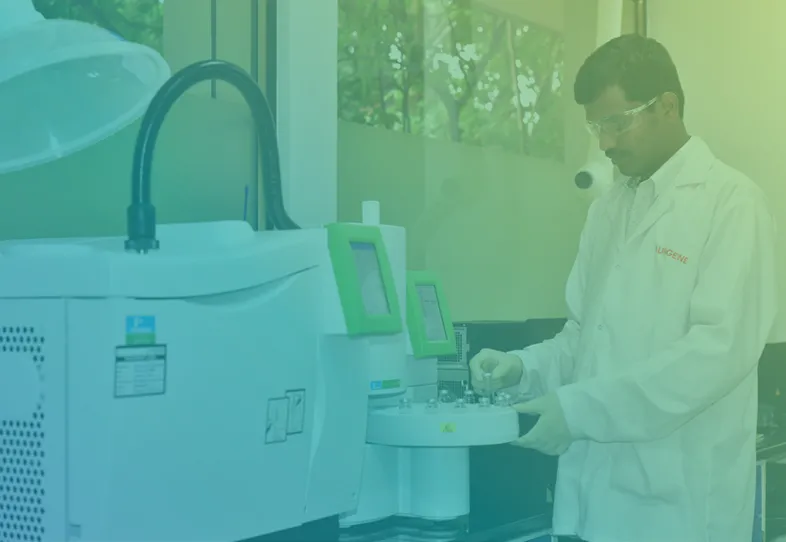
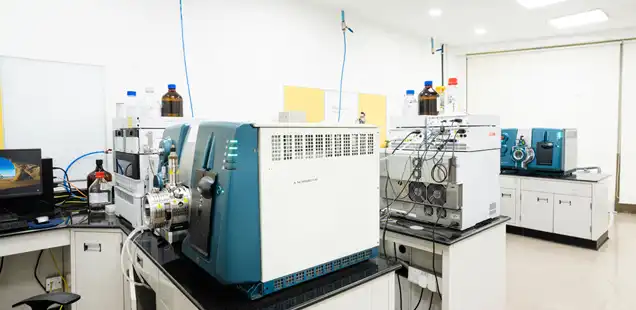
Aurigene offers GLP and Non-GLP bioanalysis services for small molecules, peptides, biomarkers and complex molecules. Our Bioanalytical labs are well-equipped with high-end LC-MS/MS instruments, HPLCs or UPLCs with UV, PDA and fluorescence detectors. We have completed more than 200 GLP studies. We perform sample analysis of GLP PK or TK or TD studies. We do method validation as per regulatory requirement and ensure data quality and compliance.
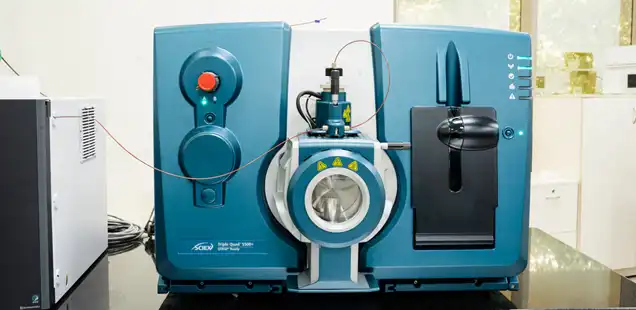
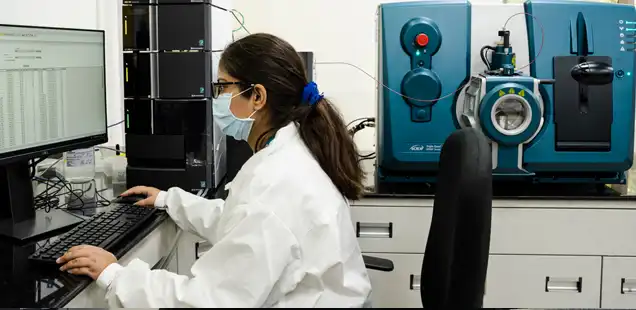
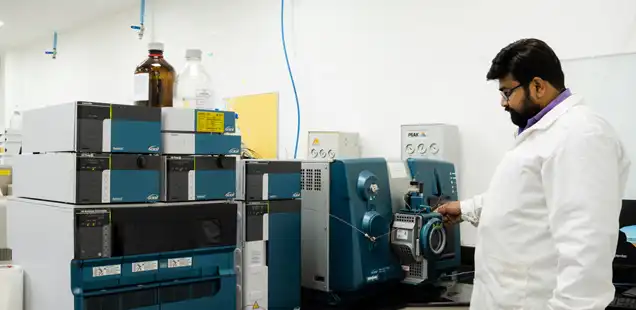

Why Aurigene GLP and Non-GLP Bioanalysis Services?

Delivered 200+ GLP studies

Compound management and data automation

Quality and Accuracy

Regulatory submissions to US FDA, EMA, DGCI
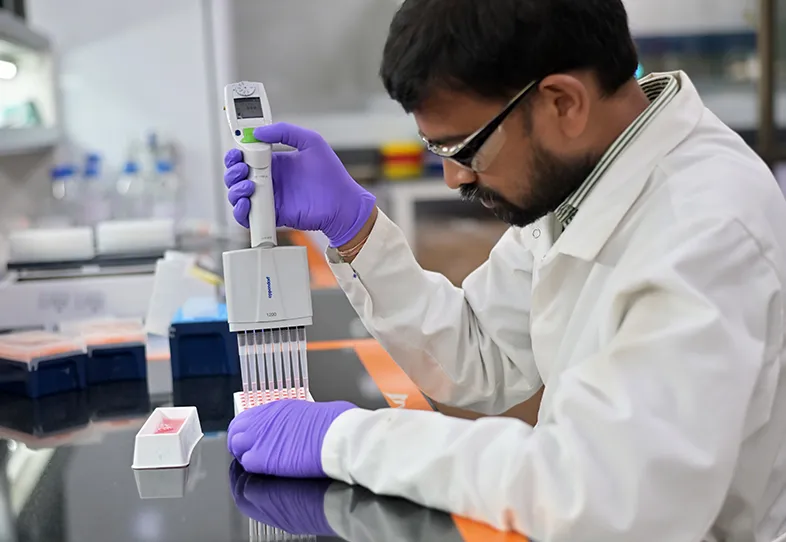
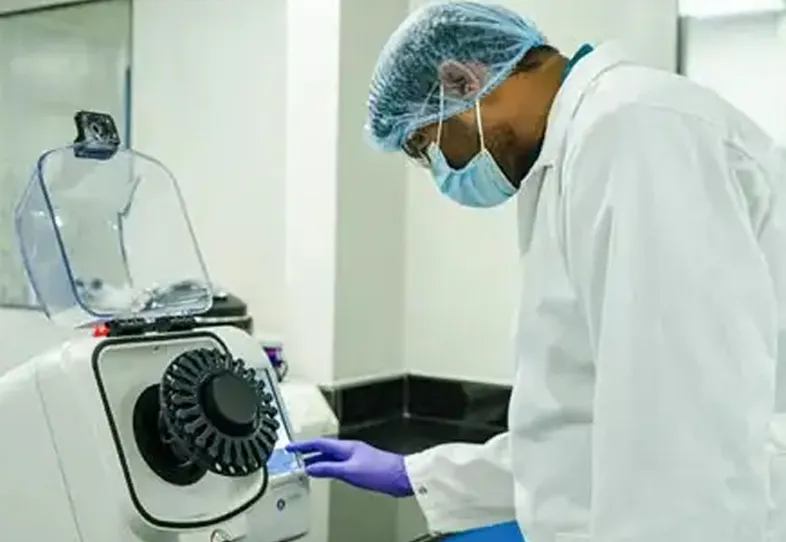
Virtual Tour
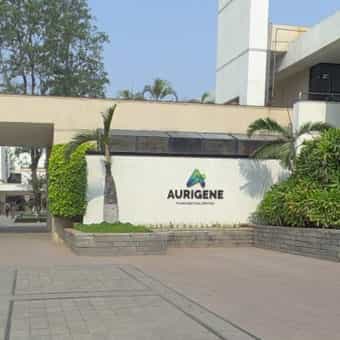

Hyderabad R and D Center
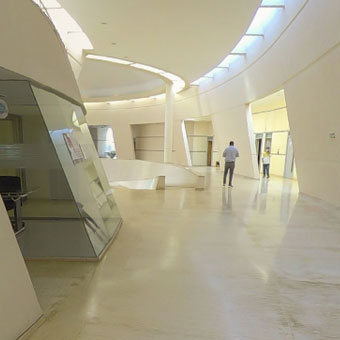
Bangalore R and D Center
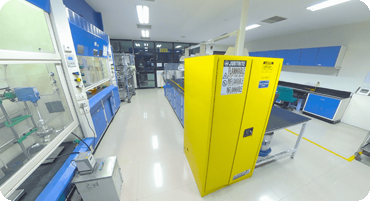
Polymorph Screening
Connect with our scientific experts for your drug discovery, development, and manufacturing needs
We understand that clear communication is essential to successful collaborations, and that's why we have a dedicated team that is always ready to help you. Whether you have questions about our services, want to discuss a potential partnership, or simply want to learn more about our company, we're here to help.
Our team of experts is dedicated to providing personalised solutions tailored to your unique needs. So, please don't hesitate to reach out to us. We look forward to hearing from you and helping you achieve your business goals.
Learning Resources
JULY 02, 2021
Oligonucleotide as a novel class of therapeutic modality
Oligonucleotides as a therapeutic class is a revolutionary approach to discover new and important therapeutic agents for treating human diseases. RNA-based intervention at times works in cases where other modalities do not work. For example, it may help in treating inborn errors in metabolism, genetic disorders and rareOligonucleotide therapeutics is the use of c...
Read More
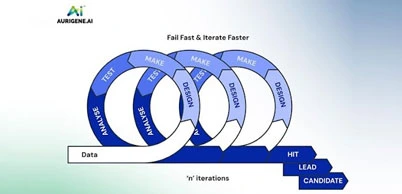
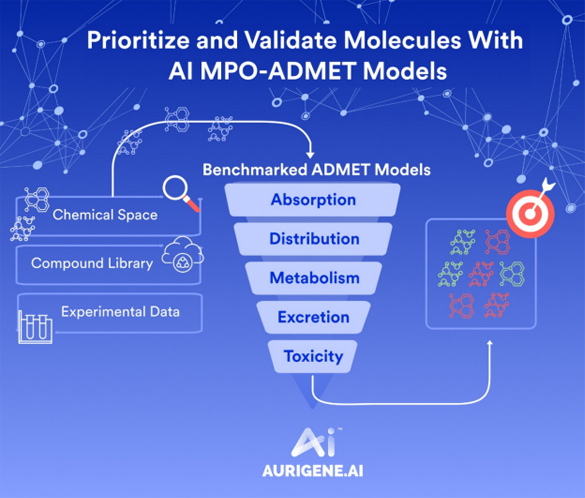
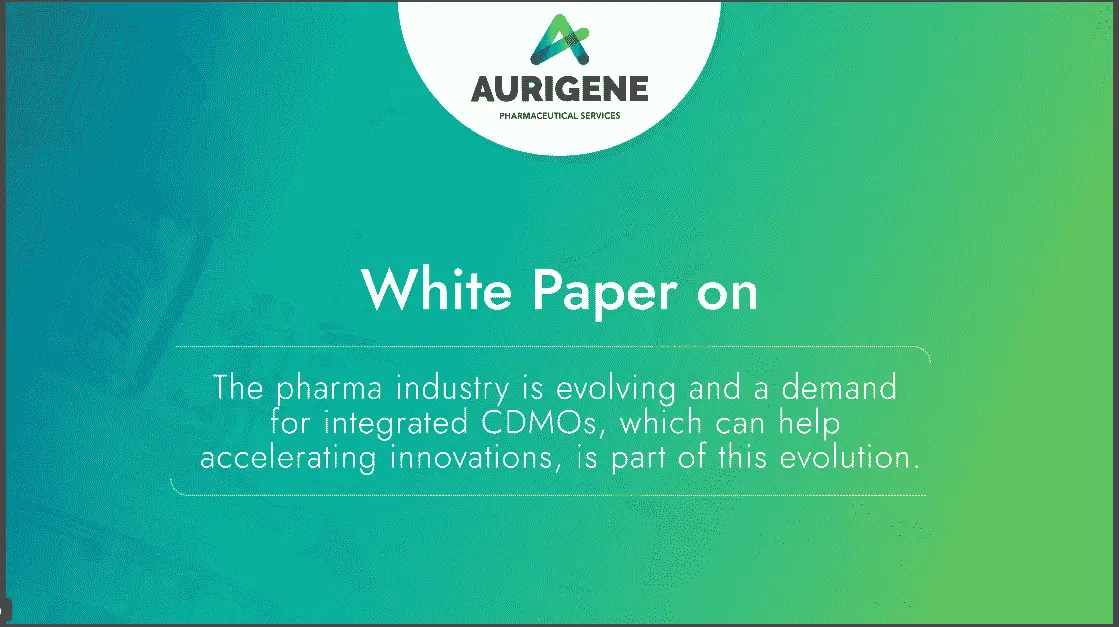
Evolution in Pharma Industry and Demand for Integrated CDMO
The pharma industry is evolving and a demand for integrated CDMOs, which can help accelerating innovations, is part of the evolution....
Read More



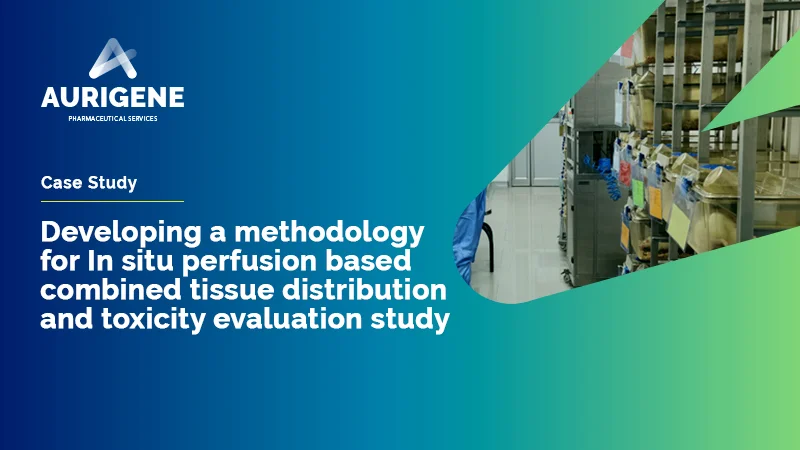
Developing a methodology for In situ perfusion based combined tissue distribution and toxicity evaluation study
Challenges: Several repeated in house validation studies were performed to optimize the suitable perfusate (liquid medium intended to pass through the heart), perfusate volume and perfusion rate to ensure complete perfusion of animal subjects (parameters weren’t adjustable) Challenges were encountered in adjusting the perfusion volume and rate vis-à-vis ensuri...
Read More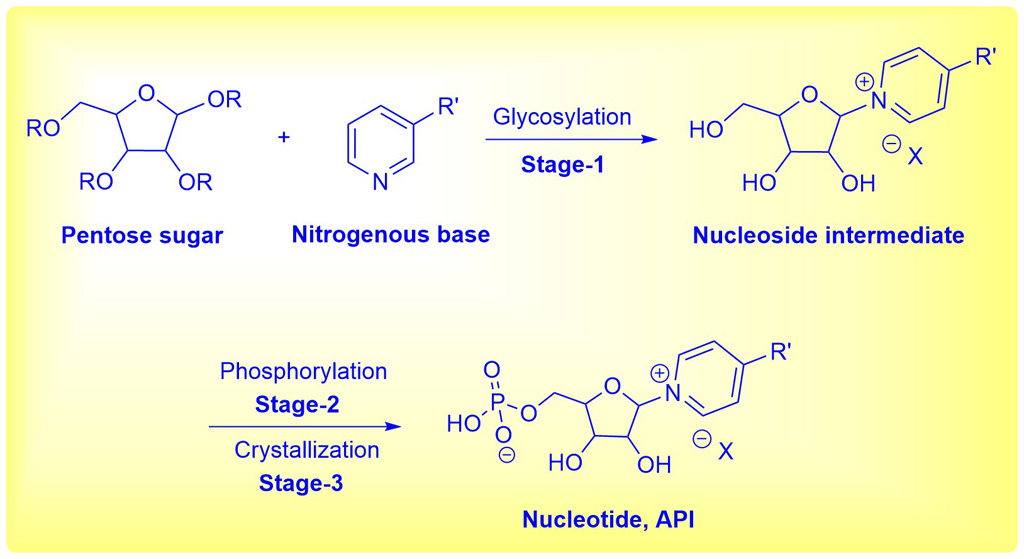
August 28, 2020
Cu-catalyzed coupling-cyclization in PEG 400 under ultrasound: a highly selective and greener approach towards isocoumarins
The combination of CuI–K2CO3-PEG 400 facilitated the couplingcyclization of o-iodobenzoic acid with terminal alkynes under ultrasound, affording a greener and practical approach towards 3-substituted isocoumarins with remarkable regioselectivity. This inexpensive and Pd and ligand free methodology gave rise to various isocoumarins of potential pharmacological i...
Read More-
April 21, 2026
H2SO4-SiO2 catalyzed synthesis, in silico and in vitro evaluation of quinazoline-based fused tetracyclic derivatives as new inhibitors of PDE4B
The 6,6a-dihydro-5H-isoquinolino[2,3-a]quinazoline-5,7,12-trione (DIQT) derivatives (that belong to the quinazoline-based fused tetracyclic class of compounds) though known in the literature, their biological properties have not been explored previously. In the current study, we have explored the phosphodiesterase 4B (PDE4B, an important target for the identifica...
Read More -
January 31, 2025
Development and assessment of a Bcs class II - SGLT2 (Sodium Glucose Cotransporter 2) inhibitor drug in the form of solid lipid Nanoparticles by selecting different lipids, co-surfactants, and manufacturing techniques
Drug Delivery System (DDS) has been used successfully in the past few decades to cure illnesses and enhance health because of its improved systemic circulation and ability to regulate the drug's pharmacological action. As pharmacology and pharmacokinetics advanced, the idea of controlled release emerged, demonstrating the significance of drug release in assessing...
Read More -
January 31, 2025
Development of novel paullone-based PROTACs as anticancer agents
Proteolysis-targeting chimera (PROTACs) represents a promising modality that has gained significant attention for cancer treatment. Using PROTAC technology, we synthesized novel structurally modified paullone-based PROTACs using Cereblon (CRBN) and Von Hippel–Lindau (VHL) E3 ligands....
Read More
Frequently asked questions
What are the critical parameters evaluated during bioanalytical method validation under GLP?
Validation assesses accuracy, precision, selectivity, sensitivity, reproducibility, and stability. Failure to meet acceptance criteria can compromise data integrity and regulatory acceptance.
What are the common challenges in ligand-binding assays (LBA) for large molecule bioanalysis?
Challenges include cross-reactivity, limited assay specificity, and interference from anti-drug antibodies that affect sensitivity and reproducibility. Aurigene addresses these with optimized LBA platforms, robust assay design, and experience in biologics bioanalysis.
How is assay sensitivity optimized for low-concentration analytes in bioanalysis studies?
Sensitivity is improved through optimized sample preparation, extraction techniques, and advanced LC-MS/MS instrumentation. Aurigene leverages high-sensitivity platforms and robust workflows.
What are the risks associated with bioanalytical method transfer between laboratories?
Method transfer can introduce variability due to differences in instrumentation, operators, and reagents. Incomplete transfer validation may impact reproducibility and regulatory confidence.
How is stability of analytes ensured during sample collection and processing in bioanalysis studies?
Stability is evaluated under conditions such as freeze–thaw cycles, bench-top handling, and long-term storage to ensure reliable quantification. Aurigene incorporates controlled sample handling, stability-indicating methods, and validated storage protocols.
You are about to leave Aurigene Pharmaceutical Services and affiliates website. Aurigene Pharmaceutical Services assumes no responsibility for the information presented on the external website or any further links from such sites. These links are presented to you only as a convenience, and the inclusion of any link does not imply endorsement by Aurigene Pharmaceutical Services.
If you wish to continue to this external website, click Proceed.


Leaving already?
Don't forget to join us at
CPHI Worldwide 2023.
October 24th-26th, 2023 | Barcelona, Spain
Get ready to accelerate your drug’s journey to the market